
TCG CREST invites applications for a
Signature Course in
Population Health and Society
Jointly Offered by the School of Health, Environment and Sustainability Studies (SHESS) and School of Humanities & Social Sciences (SHSS).
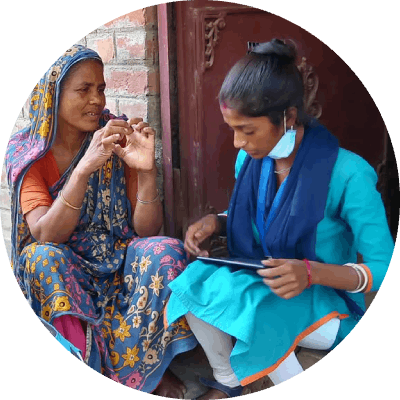
Course Overview
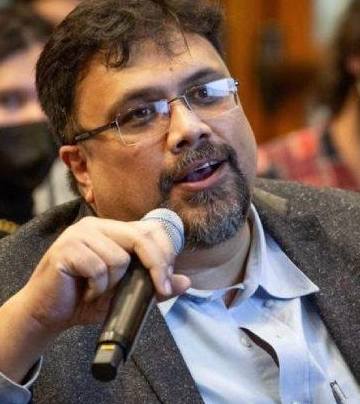
COURSE DIRECTOR
Prof. (Dr.) Projit B. Mukharji
Mukharji’s research privileges practices of theory in the history of medicine. He is particularly interested in mapping the impact of invisible or marginal figures, objects, and institutions, shaping medical histories.
"To reimagine healthcare, we must begin by understanding why health and healthcare have evolved in their current forms and what were the paths not taken"
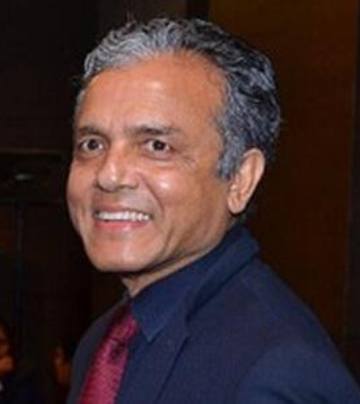
INTERNATIONAL VISITING FELLOW
Dr. Swarup Sarkar
Dr. Swarup Sarkar is an Indian physician, epidemiologist, public health professional and diplomat known for his works in the field of Infectious Diseases and HIV/AIDS in particular. Sarkar served as the Director of Communicable Diseases of the World Health Organization, South East Asia Regional Office (WHO SEARO) and is currently an advisor to international health agencies. He also holds the C G Pandit National Chair for Health Research at the Indian Council of Medical Research.
Dr. Sarkar for long has been an advocate for raising the political commitments and allocation of resources to fight HIV/AIDS and TB in the South Asian countries. He has been instrumental for the availability of antiretroviral drugs through free-to-end-user programs.
“Public health training must evolve with our times—readiness to anticipate new challenges while learning to find ways to ensure that progress reaches everyone, especially those left behind.”
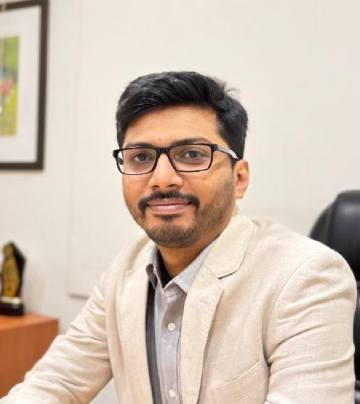
ADMINISTRATOR
Dr. Bibaswan Basu
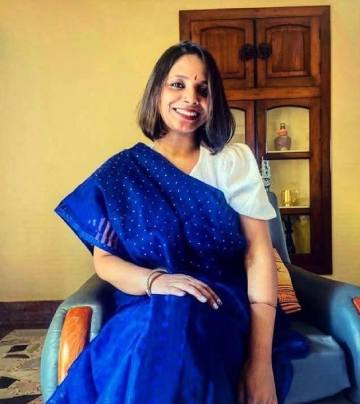
ADMINISTRATOR
Suparba Sil
MA, MPhil | Research Scientist, SHESS
Suparba Sil is a Research Scientist at the School of Health, Environment and Sustainability, TCG CREST. She has pursued a PhD in Social Sciences in Health from Jawaharlal Nehru University (thesis submitted, 2026). Ms. Sil also has an MPhil in Sociology from Jadavpur University and an MA in Sociology from Delhi School of Economics. Ms. Sil is the recipient of several prestigious fellowships, including the Krishna Raj Summer Travel Fellowship from the Delhi School of Economics (2014), and the Swiss Government Excellence Fellowship (2024-25).
Course Instructors
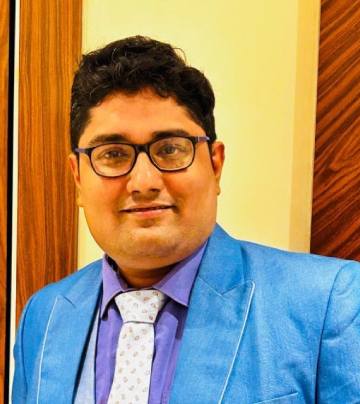
Dr. Soumit Roy
Associate Professor, Department of Community Medicine, IQ City Medical College and Hospital
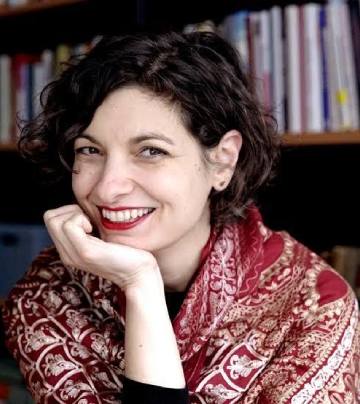
Dr. Dora Vargha
Professor of History and Medical Humanities,
University of Exeter and Humboldt University, Berlin
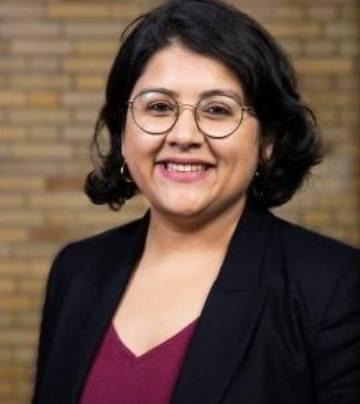
Dr. Sneha Lamba
Assistant Professor of Economics, Department of Humanities and Social Sciences,
Indian Institute of Technology, Delhi
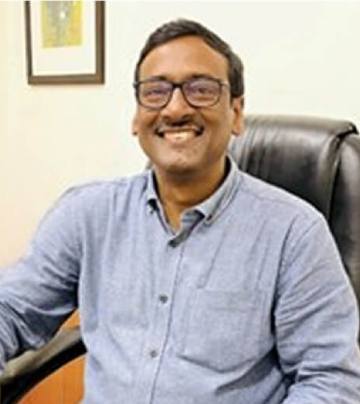
Professor (Dr.) Satadal Saha MS, FRCS (Eng)
Dean, School of Health and Sustainability Studies, TCG CREST
President, Foundation for Innovations in Health (FIH) | Former Professor, School of Medical Science & Technology, IIT Kharagpur
Why This Course?
01. Interdisciplinary
Courses taught by accomplished faculty across history, sociology, political science, economics, public health, and medicine
02. Policy to Practice
Bridges theory and implementation, helping participants navigate complex policy frameworks and advocate for equitable outcomes
03. Real World Impact
Being at the forefront of health system transformation by engaging at the interface of health and society.
04. Translational Learning Approach
Research discussions, brainstorming and on ground data collection will help participants turn knowledge into practical healthcare solutions.
Who This Is For
- If you want to work towards improving population health, and if you have a background in Public Health/Social science/Medicine, as a postdoctoral researcher, PhD student, postgraduate or undergraduate or if you are an early career professional in related areas.
Prerequisites:
- Fundamental knowledge of population health, social sciences; Introductory knowledge of Sociology/Political Science/ Anthropology and Economics.
- No prior specialization is required; the course is interdisciplinary
What You Will Learn
- The rise of modern medicine
- Power and Knowledge in Health systems
- Social Determinants of Health
- Health Seeking Behaviour
- Medical Technologies in Practice
- Governance, Rights, and Citizenship in health
- Health Equity and Policy Formulation
- Translating Policy into Practice
- Demand for Health and Quality of Care
- Economics of Externalities in Health
At a Glance
APPLICATION DEADLINE
26th October 2026
COURSE DURATION
2nd - 20th November 2026
COMMITMENT
3 weeks, 90 hours
DELIVERY
Hybrid/In-person
(Lectures, Field Immersion, Group Discussion, Assignments, hands-on policy analysis )
ELIGIBILITY
Postdoctoral Researchers/ PhDs/ Postgraduates/ Public Health Professionals/ Physicians
BATCH SIZE
25 seats
(Limited Seats)
COURSE FEE
INR 25,000
(merit-cum-means scholarships available)
CERTIFICATE
Certificate of Completion
Participants will receive a Certificate of Completion from TCG CREST (Deemed to be University under UGC Act, 1956)
APPLICATION PROCESS
- Complete the Application Form by 26th October 2026
- Interview for Shortlisted Candidates
- Admissions Decision
The Significance of Population
Health and Society in Healthcare
01. Understanding the divided healthcare landscape
Healthcare in India is marked by juxtapositions. High-tech super-speciality hospitals sit next to miles without even a basic primary care facility.
02. Decoding health-seeking behaviour
Exploring why people choose one healthcare provider over another, so that services match how communities actually seek care.
03. Designing context-sensitive policies
Formulating health policies that respond to local realities and deliver their intended impact.
04. Advancing health as a right
Navigating complex health policy frameworks and advocating for health as a right grounded in citizenship and justice.
CAREER PROSPECTS
This course prepares professionals for leadership roles across:
- Health policy, planning, and systems strengthening at national and international levels
- Public health agencies, government health ministries, and regulatory bodies
- Research institutions focused on health equity, health systems, and social determinants
- Community health organizations and primary healthcare innovation ecosystems
Please reach out to us at [email protected] for further queries on the course
Learn more about SHESS (School of Health, Environment & Sustainability Studies)
Learn more about SHESS ( School of Humanities and Social Sciences)