
School of
Health, Environment & Sustainability Studies
School of Health, Environment & Sustainability Studies (SHESS) will drive a Health Systems Transformation agenda (Evidence to Policy in public health) for lasting impact on population health, to achieve health equity. It will provide education and undertake research at the intersection of data-science & health, frugal health technologies, climate and its health impact.
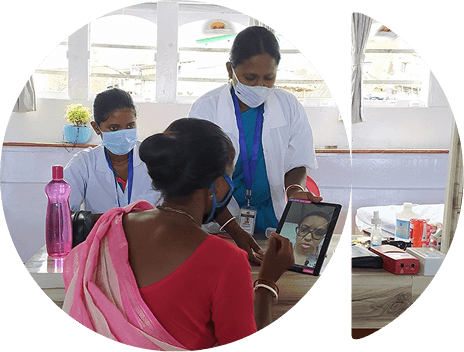
School of Health, Environment & Sustainability Studies (SHESS) is a unique endeavour that will drive a Health Systems Transformation agenda for holistic improvement of population health in India and beyond. It will provide a stimulating environment for learning and research at the intersection of data-science & health, frugal health technologies, linkage between climate change and its health impact. SHESS will focus on “Evidence to Policy” in the sphere of public health which will create sustainable long-term transformational impact.
Board of Advisors
The Board of Advisors to the School of Health, Environment & Sustainability Studies has been constituted to guide the academic vision, structure, launch and growth of the School. The board brings together eminent scholars and academicians who have shaped heath science education and research in India and the world.
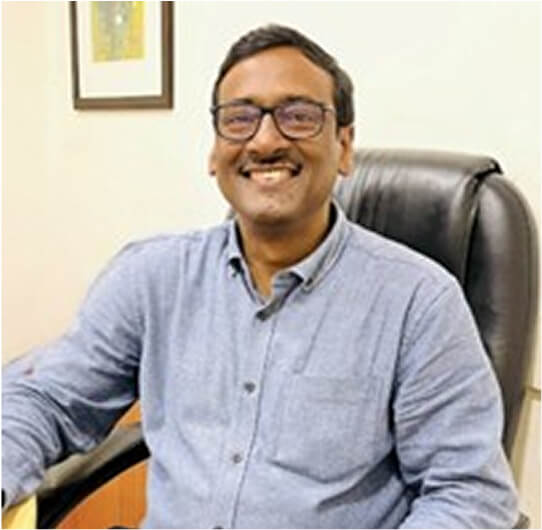
Professor (Dr.) Satadal Saha MS, FRCS (Eng)
Dean
Cross-sectoral experience of over 40 years in the health sector spanning across hospitals, primary care, training of health human resources, translational inter-disciplinary frugal healthtech innovation, clinical informatics software development, last-mile digital healthcare and founding institutions. Among the top 40 global changemakers in 2025 (Stanford Graduate School of Business & Stanford Doerr School of Sustainability).
- President, Foundation for Innovations in Health (FIH)
- Consultant, International Finance Corporation (member of World Bank Group)
- Serial entrepreneur
- Former Professor, School of Medical Science & Technology, IIT Kharagpur
- Former Consultant, Assam Advanced Healthcare Innovation Institute (AAHII), IIT Guwahati
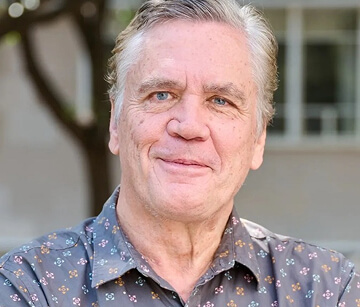
Professor Marc Madou
Member
Distinguished Professor Emeritus, Department of Mechanical & Aerospace Engineering, UC Irvine, NAI Fellow
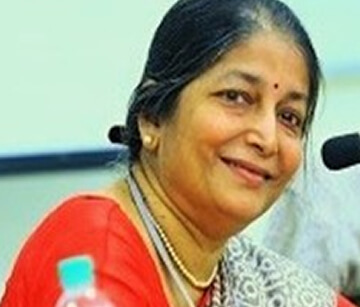
Professor Indrani Gupta
Member
Professor (on-project), Health Policy Research Unit, Institute of Economic Growth, Delhi
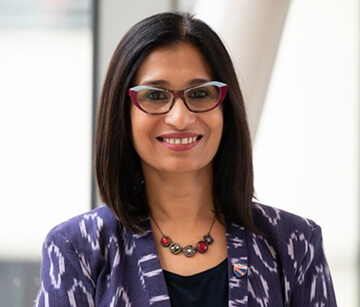
Professor Bhramar Mukherjee
Member
Senior Associate Dean of Public Health, Data Science and Data Equity, Yale School of Public Health
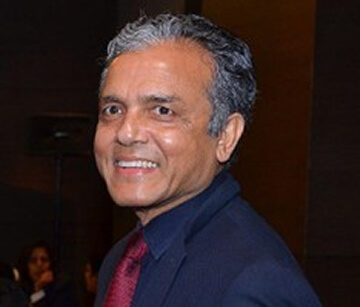
Dr. Swarup Sarkar
Member
Senior Researcher, University of Gothenburg, Sweden
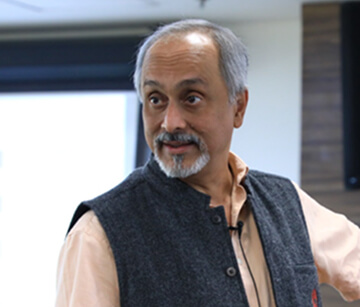
Professor Gautam Menon
Member
Dean (Research) & Professor, Departments of Physics and Biology, Ashoka University
Faculty
Prof. Marc Madou
International Visiting Fellow
Distinguished Professor Emeritus, Department of Mechanical & Aerospace Engineering, UC Irvine, NAI Fellow
Prof. Bhramar Mukherjee
International Visiting Fellow
Senior Associate Dean of Public Health, Data Science and Data Equity, Yale School of Public Health
Dr. Swarup Sarkar
International Visiting Fellow
Senior Researcher, University of Gothenburg, Sweden
Research Areas
Although the research interests of SHESS cover a vast area, we are particularly & immediately interested in areas covering –
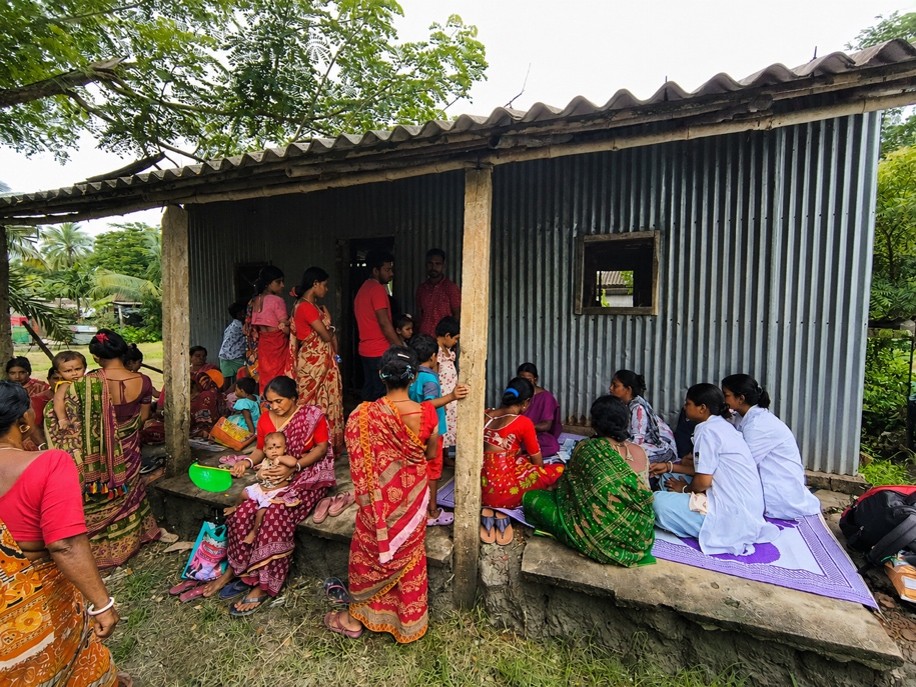
Public Health Policy & Sustainability
Focuses on evidence-based, citizen-centric public health policies for sustainable and equitable population health improvement at scale. Emphasizes health systems transformation, implementation science, and climate-resilient healthcare aligned with national priorities.

Health Data Science & Modelling
Integration of epidemiological, anthropological, clinical, diagnostic, proteomic, metabolomic and pharmaceutical data from patients, capture knowledge of disease biology and behaviour, evidence-based medicine, clinical informatics, disease modelling and forecasting, risk scores and heat maps, Health & AI.
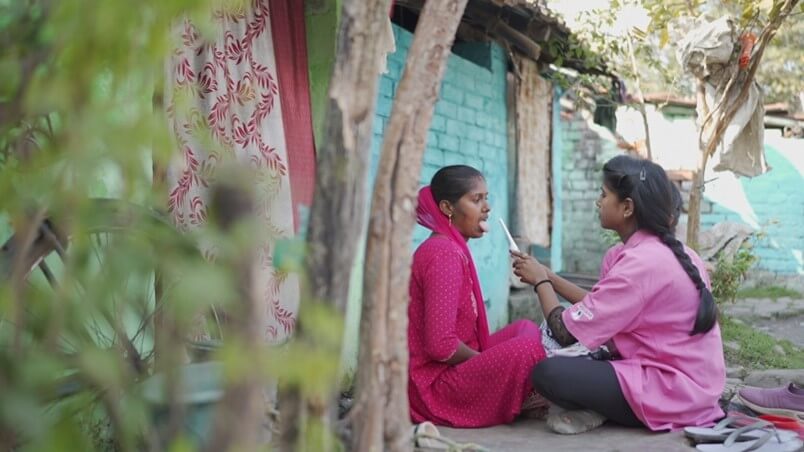
Frugal Healthtech Innovation Including Assays and Sensors
Deep-science, easy-to-use, resilient, cost-effective diagnostic and therapeutic technology innovations that meet real-life needs; easy to manufacture and sustain, ready for mass market deployment and democratisation.
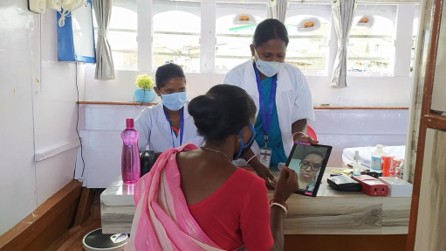
Biodesign
Promotes need-driven healthcare innovation through interdisciplinary integration of biology, engineering, medicine, design thinking and sociocultural anthropology. Emphasizes addressing unmet clinical and public health challenges through impactful, deep science-driven, and cost-effective solutions that are user-friendly for community health workers (CHWs), versatile in resource-limited settings, and culturally and behaviourally embraced by communities, thereby advancing the democratization of healthcare.
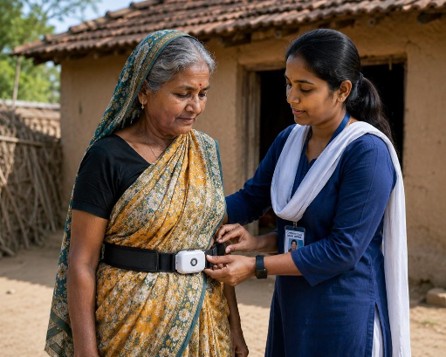
Assistive Technology
Designs accessible and user-centric technologies that enhance safety, independence, rehabilitation, and quality of life. Highlights wearable assistive systems and inclusive technologies for diverse populations, in line with India’s projected demographic transition toward an ageing population
Collaboration(s)
Foundation for Innovations in Health
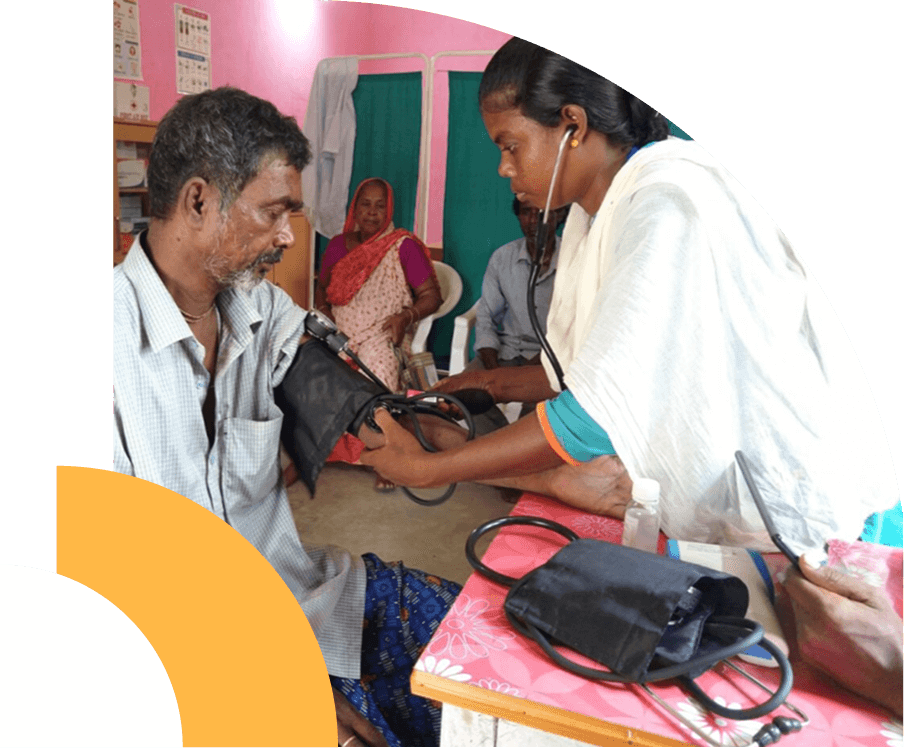
SHESS is collaborating with Foundation for Innovations in Health (FIH), (https://fihruralhealth.org) a non-profit organisation of over 12 years’ experience in similar areas as its ‘Field Implementation Partner’ and ‘Skill & Knowledge Partner’ (for certain skill development programs). This association gives its students and researchers an immersive experience in resource-variable last-mile geographies, field studies, design ethnographic understanding and continuous access to real-time data.
Upcoming Programmes @ School of Health, Environment & Sustainability Studies
SHESS will introduce its first suite of academic offerings beginning August 2026. The initial programmes in Health Data Science, Public Health, and Health & Environment Sciences are currently under development, with integrated PG–PhD pathways to follow through 2026–27 and 2027–28.
Select UG-diploma and PG-diploma courses will also be introduced from early 2026.
Signature Courses
These short-term courses are designed to foster research, innovation, and real-world application.
Bio Analytics for Healthcare
Health Data Science & Disease Modelling
Transforming health data into predictive insights to understand diseases and improve health outcomes. Designed to build expertise in analytics, epidemiology, and disease modelling for real-world public health impact.
To be announced soon
Population Health & Society
To be announced soon
Postgraduate Programmes
The school will commence MSc programmes, initially in the below areas. These programmes are currently under research and design keeping in mind the emerging requirements of health human resources, making them competitive, contextual, future-ready and with high employability.
Integrated MSc-PhD Programmes
Embodying the University’s reverse trajectory model, the school will also introduce integrated MSc-PhD programmes.
To be announced soon
Professional Courses
SHESS, in line with its ethos of inclusivity and alignment with NEP 2020, will introduce two courses open to learners with Class XII qualifications or graduation backgrounds.
Diploma in Critical Care Technology
This two-year programme equips learners with the essential theoretical knowledge and hands-on clinical skills required to support critical care teams.
To be announced soon
PG Diploma in Healthcare Management
This one-year postgraduate diploma is designed for learners seeking foundational yet a comprehensive training in healthcare administration and management.
To be announced soon
Professor Marc Madou
Member
Distinguished Professor Emeritus, Department of Mechanical & Aerospace Engineering, UC Irvine, NAI Fellow
Dr. Marc Madou is Distinguished Professor Emeritus at the University of California, Irvine, where he has worked for over 20 years teaching subjects such as mechanical and aerospace engineering and biomedical engineering. He was an Endowed Chair Professor in the Center for Materials Research (CMR) at The Ohio State University, director of the NSF Center for Industrial Sensors and Measurements (CISM), and Miller Visiting Professor at UC Berkeley in the United States. Internationally, he has been a professor at universities including UNIST in South Korea and at the Indian Institute of Technology in Kanpur and Kharagpur, among others.
He is a world-renowned researcher specializing in micro- and nanofabrication processes and the application of miniaturization science and technology (micro- and nanoelectromechanical systems) to chemical and biological problems (Bio-MEMS). He is considered a pioneer in two research areas: Carbon micro- and nanofabrication (C-MEMS and C-NEMS) and compact disc fluidics (CD fluidics) for molecular diagnostics. These two technologies have resulted in at least seven start-up companies, four of which are still active. Of those founded by Marc Madou, the largest and most prominent is Enevate, a lithium-ion battery company in Irvine, California, where he is also scientific advisor. He is also the scientific founder and chairman of the board of Cence, a company that develops sensors for sweat biomarkers. His experience also includes being Fellow of the National Academy of Inventors in the United States and member of the Mexican Academy of Sciences (Academia Mexicana de Ciencias).
Professor Indrani Gupta
Member
Professor (on-project), Health Policy Research Unit, Institute of Economic Growth, Delhi
Indrani Gupta retired as Professor and Head of the Health Policy Research Unit (HPRU) at the Institute of Economic Growth, Delhi, in February 2025. HPRU, which she established in 1998, was the first of its kind in India, and continues to be counted among centres of excellence on health economics and policy research. Currently, she serves as Professor-on-project at IEG and oversees the research activities of HPRU.
Professor Gupta’s extensive work experience includes teaching roles and positions at academic institutions, the World Bank, and the Government of India. Her research interests cover a broad range of topics in health economics and policy, such as demand for health and healthcare, health insurance and financing, poverty and health, costing and cost-effectiveness, economics of diseases, and the impacts of international agreements.
She holds a PhD in Economics from the University of Maryland, College Park, USA, and a Master’s degree in Economics from the University of Delhi.
Professor Bhramar Mukherjee
Member
Senior Associate Dean of Public Health, Data Science and Data Equity, Yale School of Public Health
Professor Bhramar Mukherjee is the Anna M.R. Lauder Professor of Biostatistics and Professor of Chronic Disease Epidemiology at the Yale School of Public Health (YSPH). Professor Mukherjee serves as the inaugural Senior Associate Dean of Public Health Data Science and Data Equity at YSPH. She holds a secondary appointment in the Department of Statistics and Data Science and is affiliated with the MacMillan Center and the Institute for the Foundations of Data Science. She serves on the Yale Cancer Center Director’s cabinet.
Dr. Mukherjees’s research interests span statistical methods for analyzing electronic health records, gene-environment interaction studies, data integration, data equity, shrinkage estimation, and the analysis of environmental mixtures. Collaboratively, she contributes to areas such as cancer, cardiovascular diseases, reproductive health, exposure science, and environmental epidemiology.
With over 415 publications in statistics, biostatistics, medicine, and public health, Professor Mukherjee is globally recognized for her research contributions in integrating genetic, environmental and health outcome data. Dr. Mukherjee is a fellow of the American Statistical Association, The Institute of Mathematical Statistics and the American Association for the Advancement of Science. In 2022 she was elected to the US National Academy of Medicine.
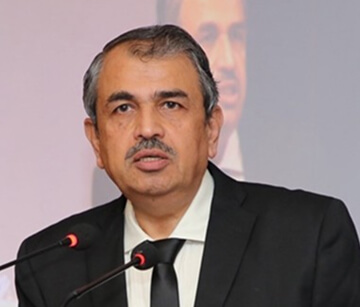
Professor LS Sashidhara
Member
FASc FNASc FNA, Director, National Centre for Biological Sciences (NCBS-TIFR), Bengaluru
Professor Shashidhara specializes in Genetics, Molecular Biology and Evolutionary biology. His group has identified key mechanisms that specify organ development and regulate growth control during embryonic development using Drosophila as a model system. They have also expanded their study to examine the status of these evolutionarily conserved mechanisms in epithelial cancers in human.
For his contribution to basic and applied biology, Professor Shashidhara is recognized with CSIR SS Bhatnagar and Technology and Prizes and JC Bose National Research Fellowship. He is a Fellow of all three Science Academies of India. In 2018, Shashi was elected as Associate member of European Molecular Biology Organization (EMBO), an international recognition for excellence in research in life sciences. Professor Shashidhara is one of the founding academic members of Indian Institute of Science Education and Research (IISER) Pune and Ashoka University, contributing to their growth. Professor Shashidhara has served in the past as Vice-President of Indian National Science Academy (INSA) and as Secretary General and President of the International Union of Biological Sciences (IUBS). He is the first Indian to be elected as IUBS President in its 100 years of its history. During this time, he commissioned and Edited, an anthology on Impact of Science in Independent India and conceived and initiated the TROPICSU project, which is an international project on Climate Change Education.
Professor Shashidhara has served/is serving as Chair/co-chair/member of various apex committees of Government of India and S&T organizations, particularly those dealing with education, basic/applied/translational research, innovation, policy, international relations, and outreach. He has facilitated training of more than 10,000 school and undergraduate teachers in adopting inquiry-based teaching methods. In addition, Professor Shashidhara has organized several alternate career workshops for scientists, particularly women scientists, in science journalism, science policy, administration and management that have benefited more than 600 scientists from across the country.
Dr. Swarup Sarkar
Member
Senior Researcher, University of Gothenburg, Sweden
Dr. Swarup Sarkar is an Indian physician, epidemiologist, public health professional and diplomat known for his works in the field of Infectious Diseases and HIV/AIDS in particular. Sarkar served as the Director of Communicable Diseases of the World Health Organization, South East Asia Regional Office (WHO SEARO) and is currently an advisor to international health agencies. He also holds the C G Pandit National Chair for Health Research at the Indian Council of Medical Research.
Prior to his role in the WHO, Sarkar has worked as the Head of South Asia and Regional Advisor of the Asia Pacific region of the UNAIDS, Asia Pacific Regional Director of The Global Fund to Fight AIDS TB and Malaria and with the Asian Development Bank. Sarkar for long has been an advocate for raising the political commitments and allocation of resources to fight HIV/AIDS and TB in the South Asian countries. He has been instrumental for the availability of antiretroviral drugs through free-to-end-user programs. He has worked extensively with people left behind including migrant labourers, injection drug users, sex workers, transgenders and men who have sex with men and has been active to curb the prejudice and biases against the groups most at risk for communicable diseases, that are embedded in laws, policies, and the operational guidelines of law enforcement agencies in South Asia.
Professor Gautam Menon
Member
Dean (Research) & Professor, Departments of Physics and Biology, Ashoka University
Gautam I Menon is a Professor of Physics and Biology at Ashoka University. He is currently Dean (Research) at Ashoka University and directs its Centre for Climate Change and Sustainability. He is a Commissioner on the Lancet Commission on “Strengthening the use of Epidemiological Modelling of Pandemic Diseases”, an author of the forthcoming “Lancet Citizens Commission on Reimagining India’s Health System” and a member of the WHO Technical Advisory Group on “Embedding Ethics in Health and Climate Change Policy.
He completed a BSc (Hons) in physics at St. Stephens College, Delhi, an MSc from IIT Kanpur, and a Ph.D from the Indian Institute of Science, Bangalore.
Prior to joining Ashoka, he was a Professor with both the Theoretical Physics and Computational Biology groups at the Institute of Mathematical Sciences (IMSc), Chennai, where he was also the founding Dean of the Computational Biology group. He joined IMSc following post-doctoral research and teaching at the Tata Institute of Fundamental Research in Mumbai and the Simon Fraser University in Vancouver, Canada. He was a Visiting Professor at the Mechanobiology Institute and the Department of Biological Sciences at the National University of Singapore (2011-2013) and an Adjunct Professor at the Tata Institute of Fundamental Research, Mumbai (2019-2022). He serves on the scientific review committees of several international and national agencies, including the Human Frontier Science Program and the Wellcome Trust-DBT India Alliance, as well as on a number of national committees
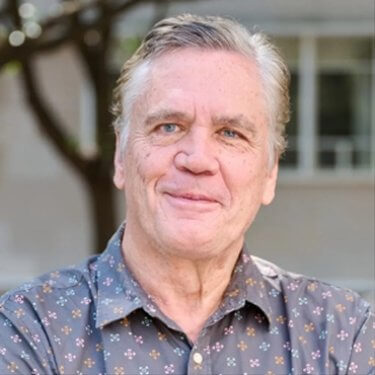
Prof. Marc Madou
International Visiting Fellow
Distinguished Professor Emeritus, Department of Mechanical & Aerospace Engineering, UC Irvine, NAI Fellow
Dr. Marc Madou is Distinguished Professor Emeritus at the University of California, Irvine, where he has worked for over 20 years teaching subjects such as mechanical and aerospace engineering and biomedical engineering. He was an Endowed Chair Professor in the Center for Materials Research (CMR) at The Ohio State University, director of the NSF Center for Industrial Sensors and Measurements (CISM), and Miller Visiting Professor at UC Berkeley in the United States. Internationally, he has been a professor at universities including UNIST in South Korea and at the Indian Institute of Technology in Kanpur and Kharagpur, among others.
He is a world-renowned researcher specializing in micro- and nanofabrication processes and the application of miniaturization science and technology (micro- and nanoelectromechanical systems) to chemical and biological problems (Bio-MEMS). He is considered a pioneer in two research areas: Carbon micro- and nanofabrication (C-MEMS and C-NEMS) and compact disc fluidics (CD fluidics) for molecular diagnostics. These two technologies have resulted in at least seven start-up companies, four of which are still active. Of those founded by Marc Madou, the largest and most prominent is Enevate, a lithium-ion battery company in Irvine, California, where he is also scientific advisor. He is also the scientific founder and chairman of the board of Cence, a company that develops sensors for sweat biomarkers. His experience also includes being Fellow of the National Academy of Inventors in the United States and member of the Mexican Academy of Sciences (Academia Mexicana de Ciencias).
Prof. Bhramar Mukherjee
International Visiting Fellow
Senior Associate Dean of Public Health, Data Science and Data Equity, Yale School of Public Health
Prof. Bhramar Mukherjee is a globally respected biostatistician and educator who has held academic and honorary positions at leading institutions across the United States, United Kingdom, and India. She is an expert in gene-environment interactions, risk prediction modelling, data-driven public health policy in South Asia and the analysis of large-scale electronic health records. A passionate mentor and advocate for representation and diversity in science, a pioneer in defining data equity, she continues to bridge rigorous quantitative research with real-world impact on human health and well-being.
Dr. Swarup Sarkar
International Visiting Fellow
Senior Researcher, University of Gothenburg, Sweden
Dr. Swarup Sarkar is an Indian physician, epidemiologist, public health professional and diplomat known for his works in the field of Infectious Diseases and HIV/AIDS in particular. Sarkar served as the Director of Communicable Diseases of the World Health Organization, South East Asia Regional Office (WHO SEARO) and is currently an advisor to international health agencies. He also holds the C G Pandit National Chair for Health Research at the Indian Council of Medical Research.
Prior to his role in the WHO, Sarkar has worked as the Head of South Asia and Regional Advisor of the Asia Pacific region of the UNAIDS, Asia Pacific Regional Director of The Global Fund to Fight AIDS TB and Malaria and with the Asian Development Bank. Sarkar for long has been an advocate for raising the political commitments and allocation of resources to fight HIV/AIDS and TB in the South Asian countries. He has been instrumental for the availability of antiretroviral drugs through free-to-end-user programs. He has worked extensively with people left behind including migrant labourers, injection drug users, sex workers, transgenders and men who have sex with men and has been active to curb the prejudice and biases against the groups most at risk for communicable diseases, that are embedded in laws, policies, and the operational guidelines of law enforcement agencies in South Asia.