
School of
Natural Sciences
Our transformative research drives real-world impact across diverse scientific frontiers. Dive into our interdisciplinary research areas and explore how we are shaping future technologies and global solutions.
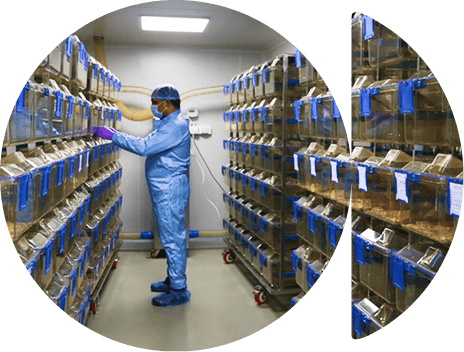
The School of Natural Sciences advances fundamental and translational research with a strong emphasis on interdisciplinary learning and innovation. The academic and research initiatives of the school span a wide spectrum of high-impact domains, including sustainable energy solutions, translational neuroscience, cutting-edge cancer research, emerging quantum technologies, and advancements in food science and technology. By fostering collaboration across these areas, we strive to address pressing global challenges and nurture future-ready scientific talent capable of driving progress in health, technology, and sustainability.

Professor Pankaj Agrawal
Dean
Professor Pankaj Agrawal received his PhD from the University of Washington, Seattle. After spending more than 25 years at the Institute of Physics, Bhubaneswar, he joined CQuERE. He has broad interest in quantum information, including quantum correlations, quantum nonlocality, quantum communication, and quantum cryptography, etc. He also works on various aspects of high energy physics phenomenology.
Programmes @ School of Natural Sciences
In alignment with the University’s reverse trajectory model of building research and academic excellence through advanced doctoral and postgraduate offerings, the School of Natural Sciences commenced with research-intensive Ph.D. programmes across its five research areas. These will be complemented by three specialised M.Sc. programmes commencing from August 2027.
Ph.D. Programme
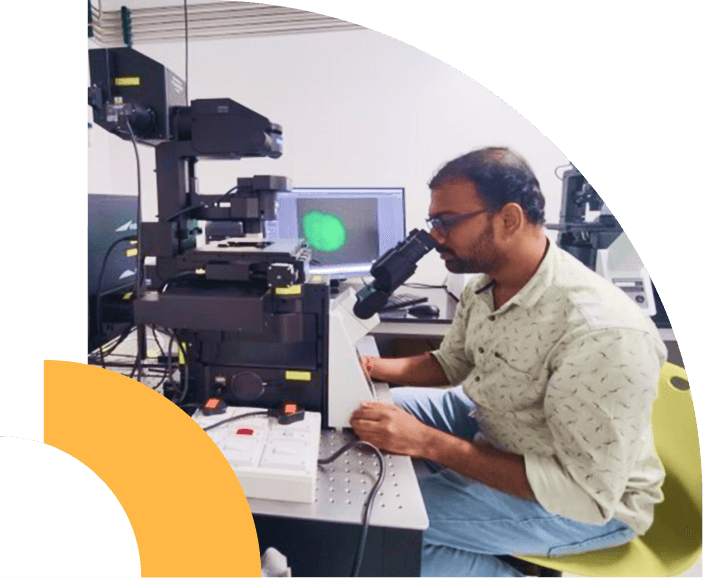
The PhD programmes at the School of Natural Sciences offer rigorous, interdisciplinary research training across the below research areas. With strong theoretical grounding, access to advanced facilities, and close collaboration with industry, clinical partners, and global institutions, these programmes prepare scholars to drive impactful scientific innovation and address critical societal challenges.
Quantum Computing, Quantum Information & Communication, Quantum Sensing
This doctoral programme is designed to train the next generation of research…
Sustainable Energy Solutions
The programme prepares researchers to drive impactful energy innovations from laboratory breakthroughs…
Neuroscience – Translational Applications
This programme combines advanced research training with a strong foundation in neuroscience,…
Cancer Research
This comprehensive programme provides advanced training in both fundamental cancer…
Food Science & Technology
This programme prepares researchers to drive innovation and sustainability in the global food sector. With advanced…
Upcoming M.Sc. Programmes
The school will offer two-year M.Sc. programmes in three frontier fields beginning August 2027. Designed to build strong theoretical foundations and advanced laboratory skills, these programmes will equip students to address contemporary scientific challenges, from developing sustainable energy solutions and decoding brain function to advancing next-generation quantum technologies.
M.Sc. in Energy Materials and Devices
It is designed to build strong foundations in chemistry, materials science, and advanced energy…
M.Sc. in Neuroscience
The programme aims to develop theoretical, computational, and experimental skills in neuroscience…
M.Sc. in Quantum Computing
It is designed to provide a strong foundation in modern quantum science and technology. Through a curriculum…
Research Areas
The School of Natural Sciences drives interdisciplinary research that addresses critical global challenges through five major focus areas: Quantum Sciences, Sustainable Energy Solutions, Translational Neuroscience, Cancer Research, and Food Science & Technology. Across these domains, researchers combine fundamental discovery with real-world application. Strong collaborations with industry experts, healthcare professionals, and leading academic institutions ensure that our scientific breakthroughs translate into meaningful societal impact.
Quantum Computing, Quantum Information & Communication, Quantum Sensing
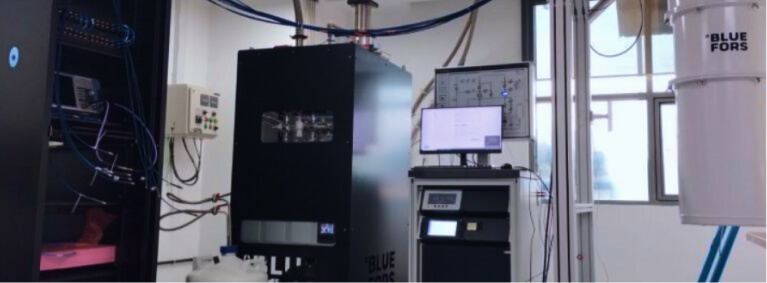
The Quantum Sciences research area is focused on driving cutting-edge advancements in the rapidly evolving domain of quantum engineering. With an emphasis on both theoretical and experimental inquiry, the group aims to develop next-generation technologies in quantum computing, communication, and sensing. A key objective is to nurture highly skilled researchers equipped to contribute meaningfully to academia and industry alike, while fostering strong national and international collaborations.

Sustainable Energy Solutions
The Sustainable Energy Solutions research area focuses on advancing innovative materials and technologies that enable clean and efficient energy storage and generation. Key efforts include developing next-generation solid-state and sodium-ion batteries to support electric mobility, IoT devices, and grid-scale storage, alongside research in green hydrogen, fuel cells, and carbon-dioxide-to-fuel conversion through novel catalyst design.
Translational Neuroscience
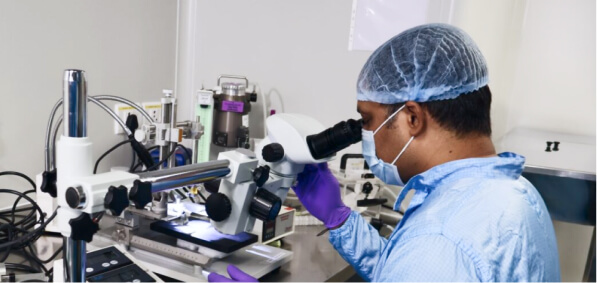
Brain disorders represent a growing public health threat, underscoring the need for new interdisciplinary approaches in discovery neuroscience that can be translated into effective therapeutic strategies. This research group, based in a state-of-the-art facility in Kolkata, aims to address these challenges by bringing together expertise from the biomedical sciences, physics, chemistry, mathematics, and computational and engineering sciences.
Cancer Research
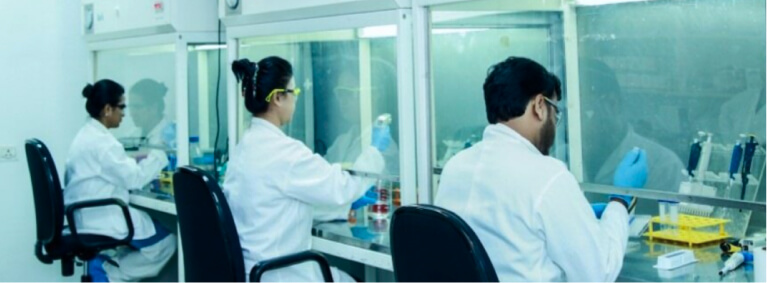
The cancer research group is dedicated to driving transformative advancements in cancer research and care. With a specific focus on translational research and education, they aim to address global challenges in the management and treatment of cancer including India-centric cancers while delving into the nuances of etiology and personalized treatment responses. The multidisciplinary team of world-class researchers, clinicians, and educators are committed to unravelling the complexities of cancer, fostering groundbreaking discoveries, and improving patient outcomes.
Food Science and Technology
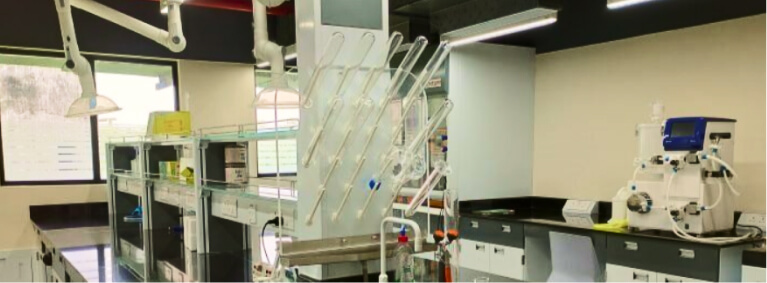
The Food Science and Technology research area focuses on advancing innovative, sustainable, and holistic food solutions. The cutting-edge research facility is meticulously equipped for experimental studies across food science, biochemistry, microbiology, and sensory analysis, fostering an environment of exploration and innovation. A strong emphasis is placed on collaboration—bridging academic research with industry needs to support the development and commercialization of novel food products and technologies.
Board of Studies
Prof Pankaj Agrawal
Dean
Prof. Lorem Ipsum
Member
Prof. Lorem Ipsum
Member
Prof. Lorem Ipsum
Member
Prof. Lorem Ipsum
Member
Prof. Lorem Ipsum
Member
Prof. Lorem Ipsum
External Member
Prof. Lorem Ipsum
External Member
Quantum Computing, Quantum Information & Communication, Quantum Sensing
This doctoral programme is designed to train the next generation of research leaders in the rapidly advancing field of Quantum Sciences. It provides a strong foundation in both theoretical and experimental aspects of quantum technologies, enabling scholars to explore and contribute to cutting-edge innovations in the field. The areas of research currently being pursued under this programme are quantum computation (theory), quantum information (theory), quantum computing using superconducting quantum circuits, photonic integrated circuits and NV centres for sensing and computing, quantum sensing using cold atoms, as well as quantum algorithms and machine learning. Through close mentorship and interdisciplinary collaboration, candidates develop the expertise required to push the boundaries of quantum research and drive future technological breakthroughs.
Sustainable Energy Solutions
The programme prepares researchers to drive impactful energy innovations from laboratory breakthroughs to real-world applications. Current research places strong emphasis on next-generation battery systems, including solid-state designs, advanced cathode and electrolyte materials, and device development across formats such as coin, cylindrical, and pouch cells. State-of-the-art in-operando and ex-situ characterization tools are employed to uncover fundamental mechanisms and accelerate practical deployment. In parallel, the programme explores green hydrogen production and clean fuel generation through water splitting, microbial fuel cells, and carbon dioxide reduction, supported by the development of efficient, low-cost functional catalysts.
Neuroscience – Translational Applications
This programme combines advanced research training with a strong foundation in neuroscience, emphasizing scientific inquiry, critical thinking, and technical expertise. It aims to equip researchers to advance translational neuroscience at a global scale. Through a structured laboratory rotation programme, PhD candidates are encouraged to engage with multiple research groups at CHINTA before selecting their supervisor. Coursework includes core subjects in fundamental neuroscience and advanced electives such as Computational Neuroscience, Stem Cell and Regenerative Medicine, Developmental Neurobiology, and Learning and Memory.
Cancer Research
This comprehensive programme provides advanced training in both fundamental cancer biology and therapeutic development, uniquely integrating basic research with clinical perspectives. Each PhD candidate is co-mentored by a research faculty member and a clinical expert—enabling hands-on experience that bridges laboratory discoveries with patient care. The curriculum combines rigorous coursework with an in-depth research project, equipping students to address the multifaceted challenges of cancer. Through this dual-mentorship model, the programme aims to develop future leaders who will drive innovation in cancer prevention, diagnosis, and treatment.
Food Science & Technology
This programme prepares researchers to drive innovation and sustainability in the global food sector. With advanced training in food science, biochemistry, microbiology, and sensory analysis, students conduct high-impact research using state-of-the-art facilities. Strong industry collaboration ensures a focus on real-world challenges, enabling scholars to translate scientific discoveries into practical and commercially relevant food technologies.
M.Sc. in Energy Materials and Devices
It is designed to build strong foundations in chemistry, materials science, and advanced energy technologies. The curriculum integrates theoretical knowledge with extensive hands-on laboratory training, preparing students to contribute to emerging solutions in energy storage and conversion. Across four semesters, learners engage with core areas including thermodynamics, electrochemistry, material synthesis, solid-state chemistry, spectroscopy, and device fabrication, culminating in a major research project focused on sustainable energy innovations.
M.Sc. in Neuroscience
The programme aims to develop theoretical, computational, and experimental skills in neuroscience through core subjects such as neuroanatomy, cellular and molecular neuroscience, sensory and behavioural neuroscience, and advanced imaging techniques. With a focus on interdisciplinary thinking, scientific inquiry, and practical research exposure from the first year onward, the programme prepares graduates to contribute to cutting-edge neuroscience research and pursue careers across academia, healthcare, and technology-driven industries.
M.Sc. in Quantum Computing
It is designed to provide a strong foundation in modern quantum science and technology. Through a curriculum that spans core areas of physics—including quantum mechanics, electrodynamics, statistical mechanics, and condensed matter physics—alongside specialised training in quantum information, quantum algorithms, and experimental quantum technologies, students gain both theoretical and practical expertise. The programme integrates classroom learning with laboratory training and culminates in a dedicated research project, preparing graduates for advanced doctoral studies or careers in the rapidly growing quantum technology industry.