In the decades after Independence, Bengal football entered one of the most celebrated periods in its history. Kolkata emerged as the undisputed centre of Indian football, with the city’s clubs, players and supporters shaping the game’s development across the country. Football became a mass spectacle, drawing huge crowds to the Maidan and to the packed stands of Eden Gardens and later Salt Lake Stadium (now called Yuba Bharati Krirangan).
The period witnessed the flourishing of legendary rivalries, especially between Mohun Bagan and East Bengal, whose contests reflected changing histories of migration, community and belonging in post-Partition Bengal. Mohammedan Sporting continued to play an important role in the city’s football culture, while tournaments such as the IFA Shield, Durand Cup and Rovers Cup acquired national prominence.
A remarkable generation of footballers defined these decades. Sailen Manna, Chuni Goswami, P. K. Banerjee and Tulsidas Balaram led India to international success in the 1950s and 1960s, while later stars such as Syed Nayeemuddin, Subhas Bhowmick, Shyam Thapa, Krishanu Dey, and Bhaichung Bhutia sustained Bengal’s footballing prestige into the 1990s. Their achievements coincided with the growth of football journalism, fan clubs, neighbourhood tournaments and television coverage, ensuring that football became not merely a sport but a defining feature of Bengal’s public culture and collective memory.
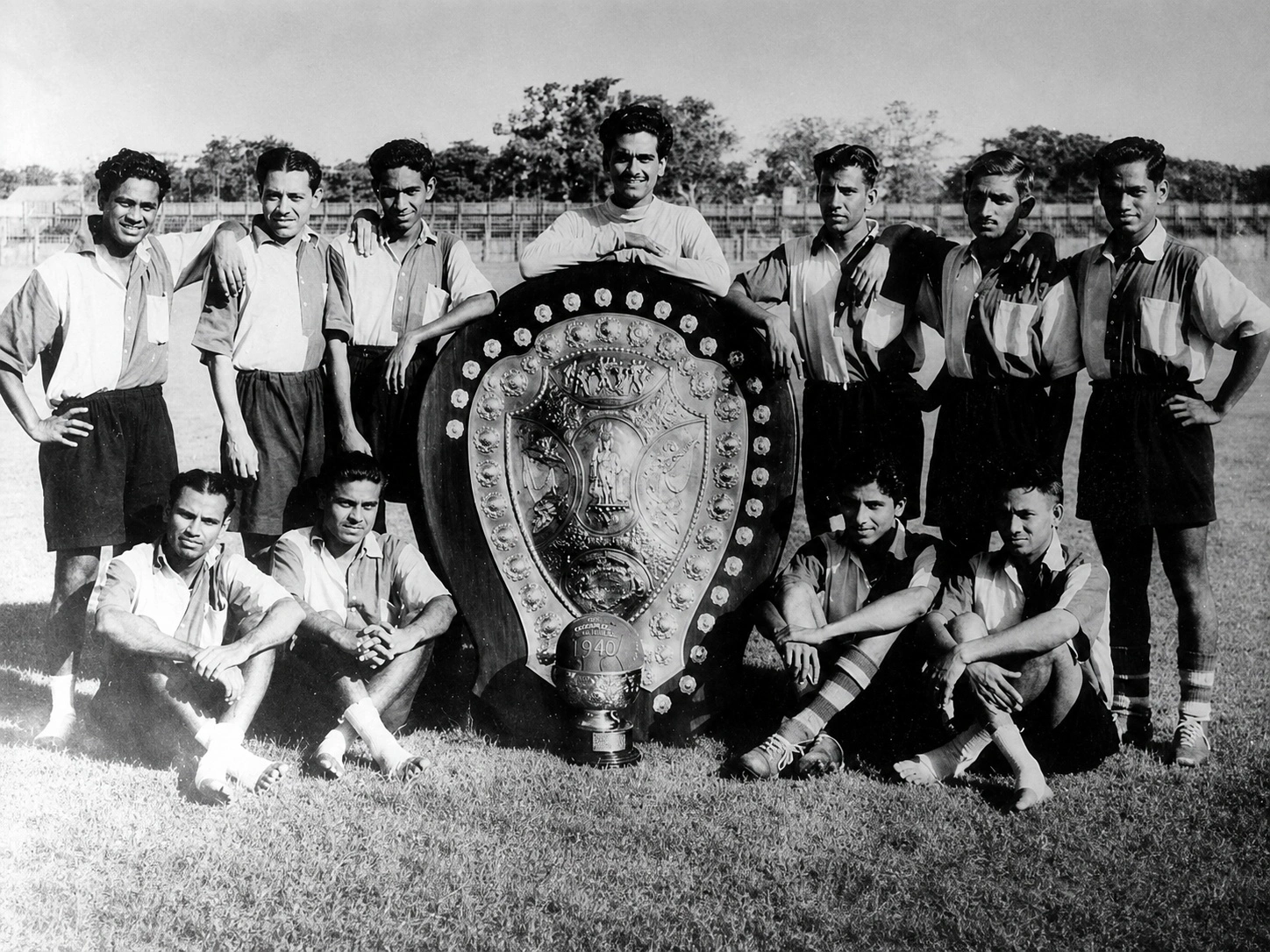
The East Bengal team after winning the 1949 IFA Shield. (Public domain / Wikimedia Commons)
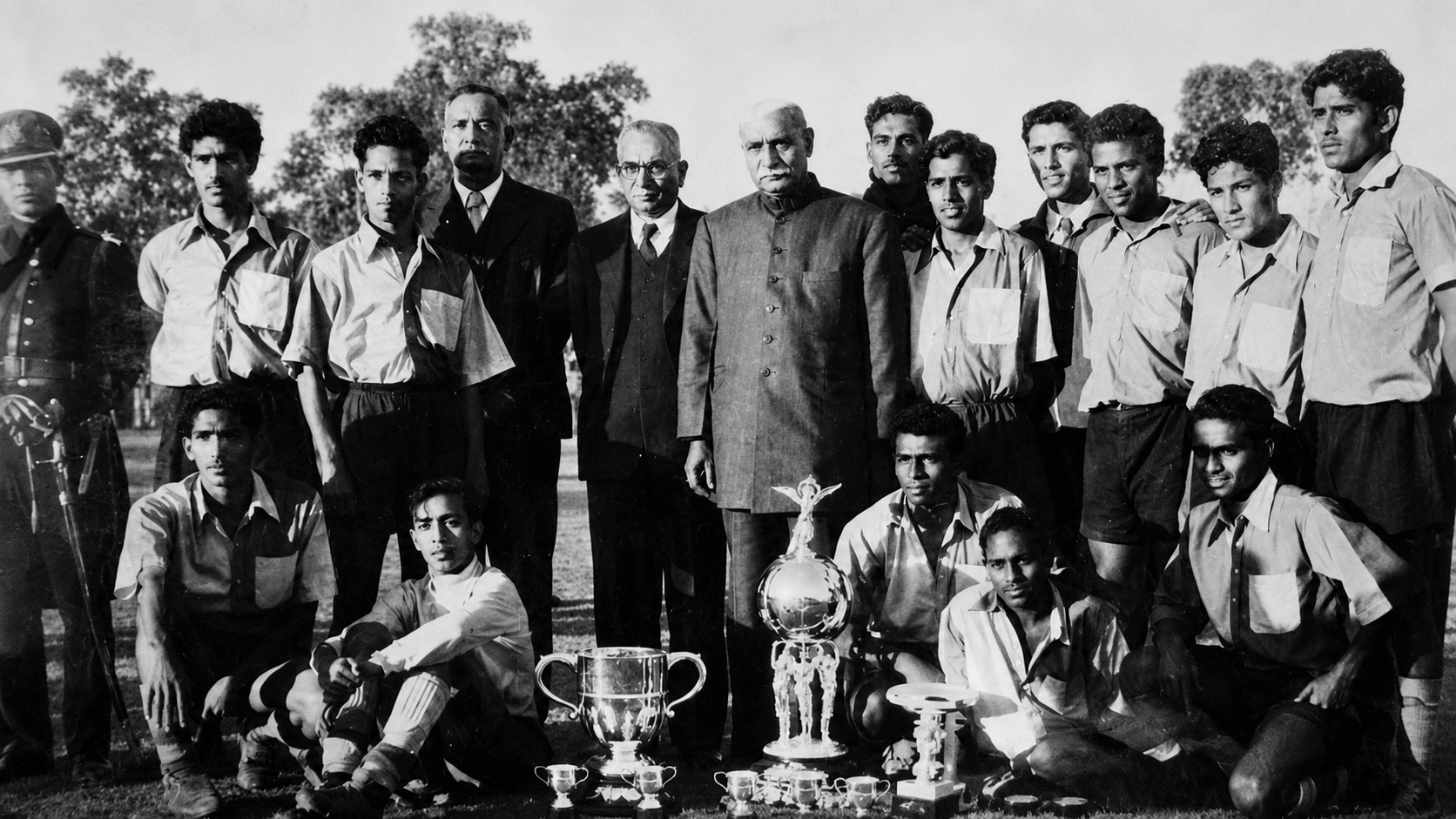
The East Bengal team, winners of the 1956 Durand Cup, poses with President Dr Rajendra Prasad, a football enthusiast. (Image source: DFTS)
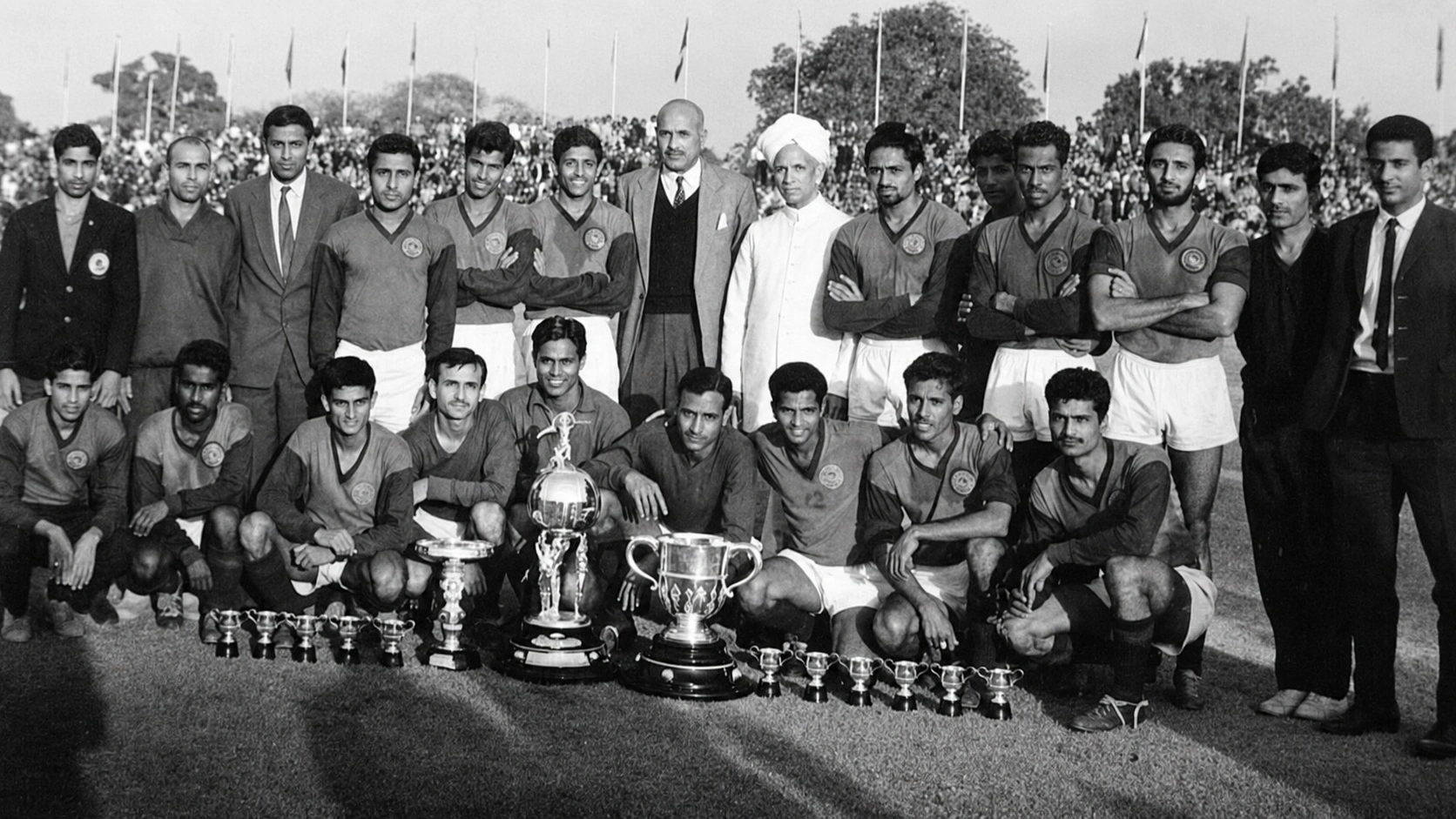
The Mohun Bagan team celebrating their victory over East Bengal in the Durand Cup Final in 1964, with President Sarvepalli Radhakrishnan. (Image source: The Quint, 27 Sep 2017)
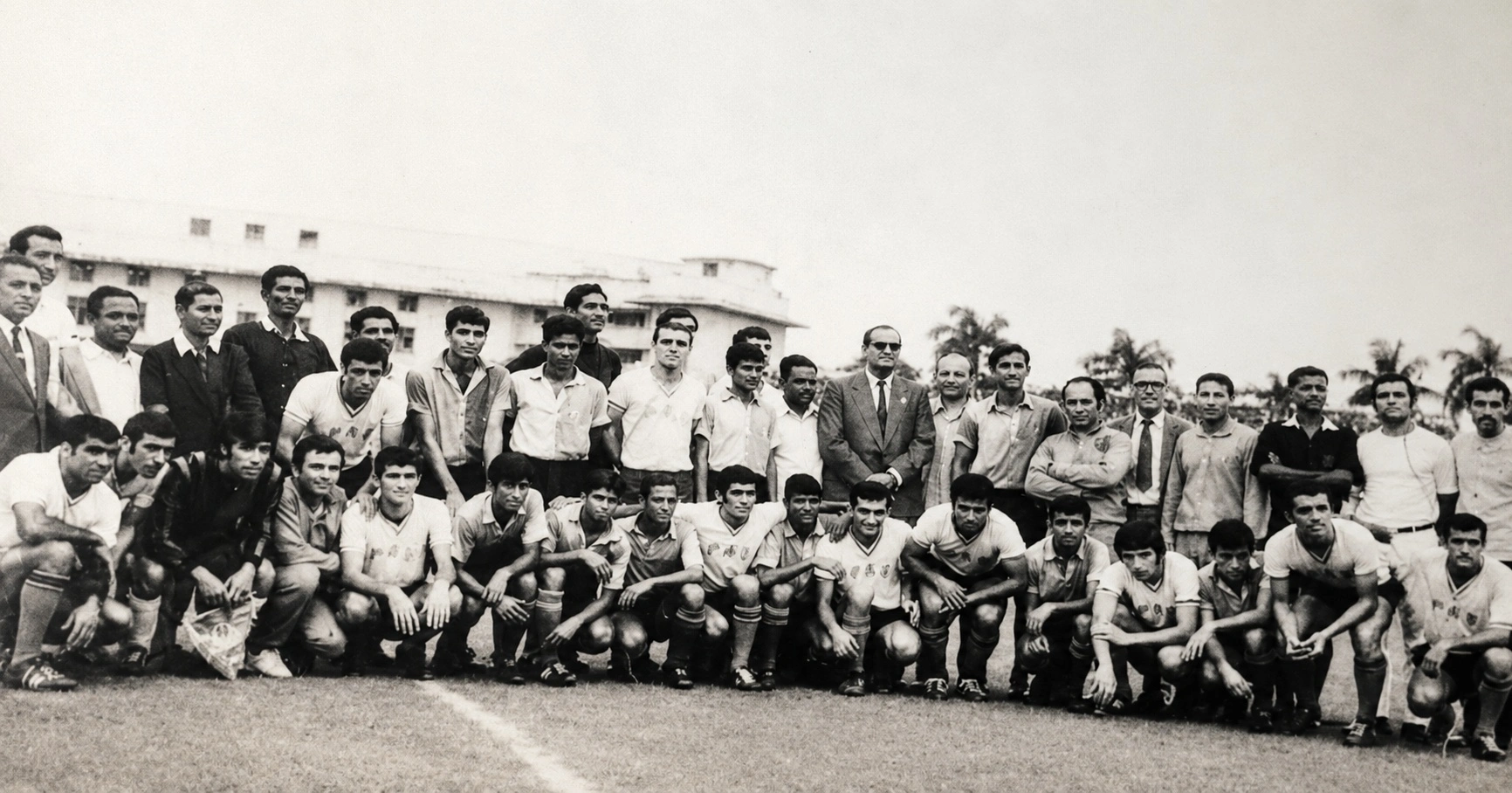
East Bengal and PAS Tehran teams line up together before the historic 1970 IFA Shield Final at the Eden Gardens, Kolkata. East Bengal won 1-0, scoring in the dying seconds of the match to become the first Indian club after Independence to defeat a foreign club in the final of a major tournament. (Wikimedia Commons)
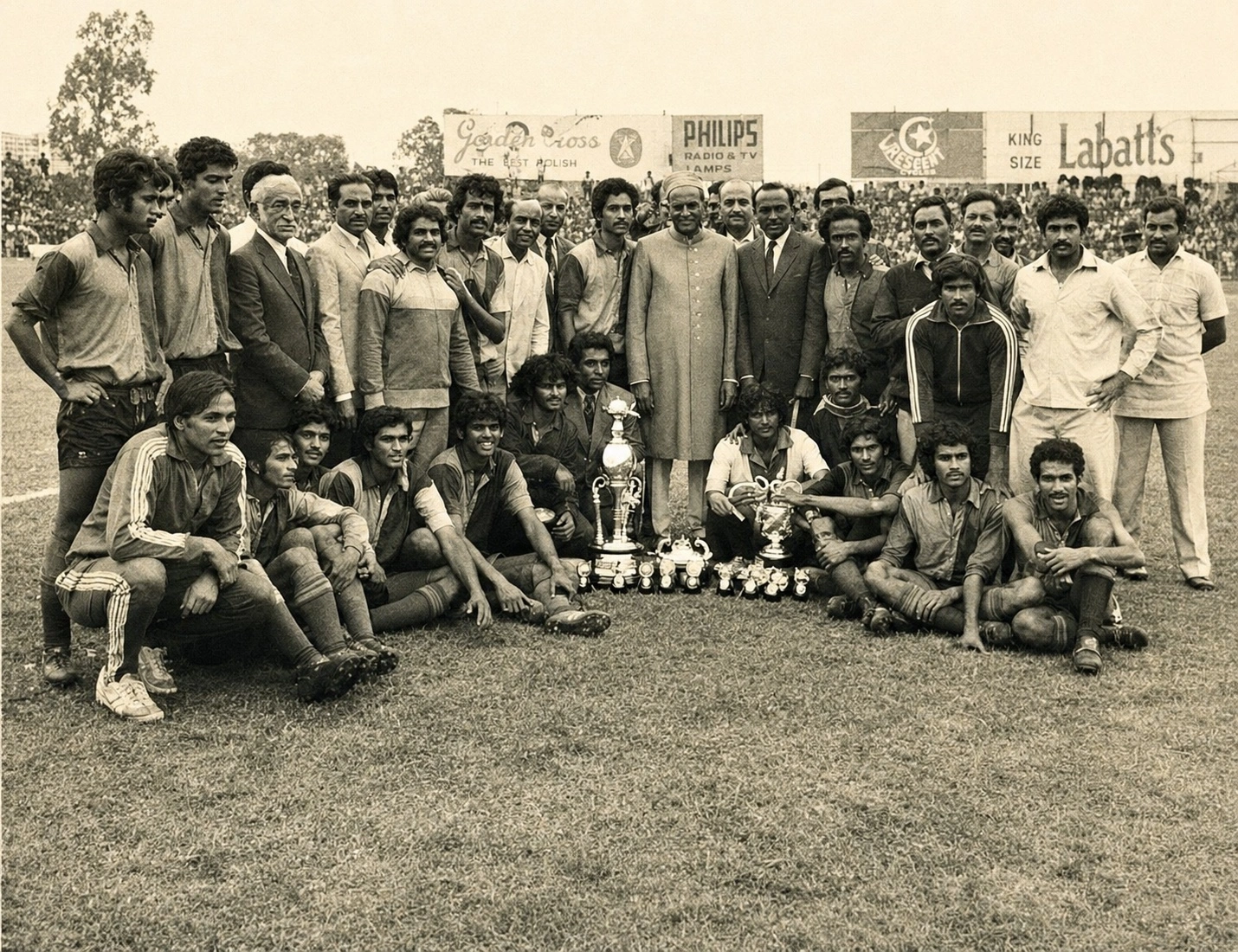
East Bengal team with President N. Sanjiva Reddy after winning the 1978 Durand Cup.
Sailen Manna
1924–2012
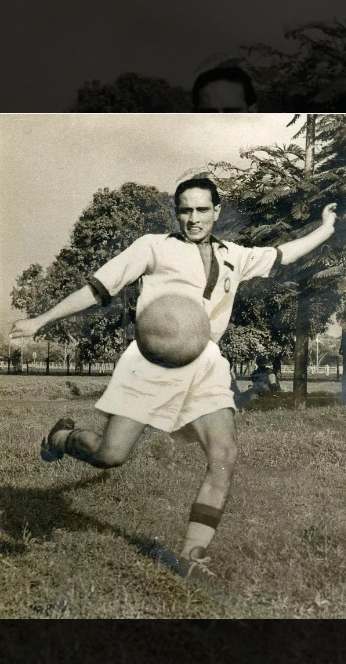
Sailen Manna carried Bengal’s club tradition into the age of the Indian nation-state, captaining India to football gold at the first Asian Games in 1951 and leading the team at the 1952 Olympics. Calm, elegant and commanding, he became a model of the defender as statesman.
Chuni Goswami
1938–2020
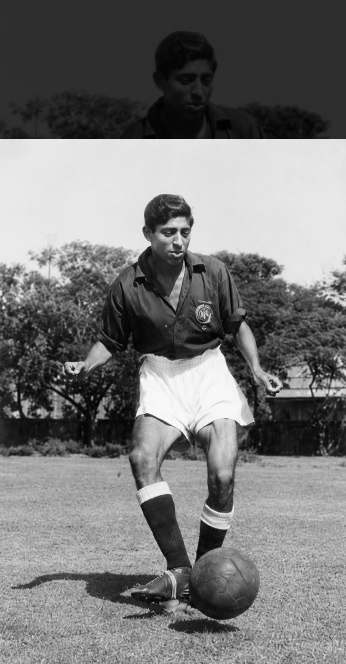
Chuni Goswami embodied grace, intelligence and sporting charisma, captaining India to the 1962 Asian Games gold and later to the 1964 AFC Asian Cup final. For Bengal, his Mohun Bagan loyalty and effortless style made him the gentleman-star of Indian football’s golden age.
P.K. Banerjee
1936–2020
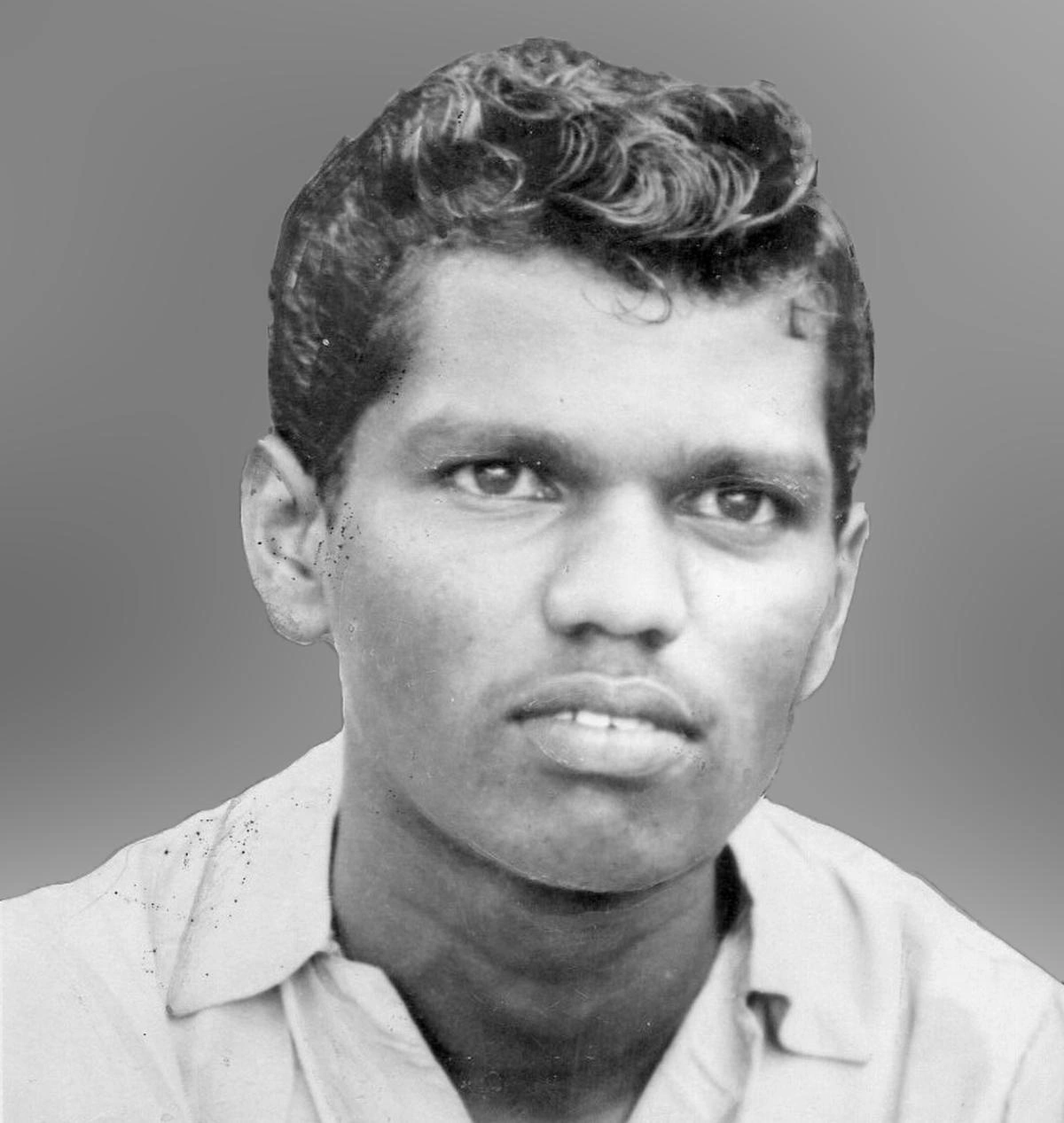
P.K. Banerjee was the dynamic forward whose goal against France at the 1960 Rome Olympics became part of Indian football folklore. Later, as coach and motivator, his famous ‘vocal tonic’ turned the dressing room into a theatre of belief.
Tulsidas Balaram
1936–2023
Tulsidas Balaram brought subtlety, movement and finishing instinct to India’s great attacking line of the late 1950s and early 1960s. His career, shortened by illness, remains one of Bengal football’s poignant reminders that brilliance often travels across regions before finding a home on the Maidan.
Chuni • PK • Balaram
Legendary Trio
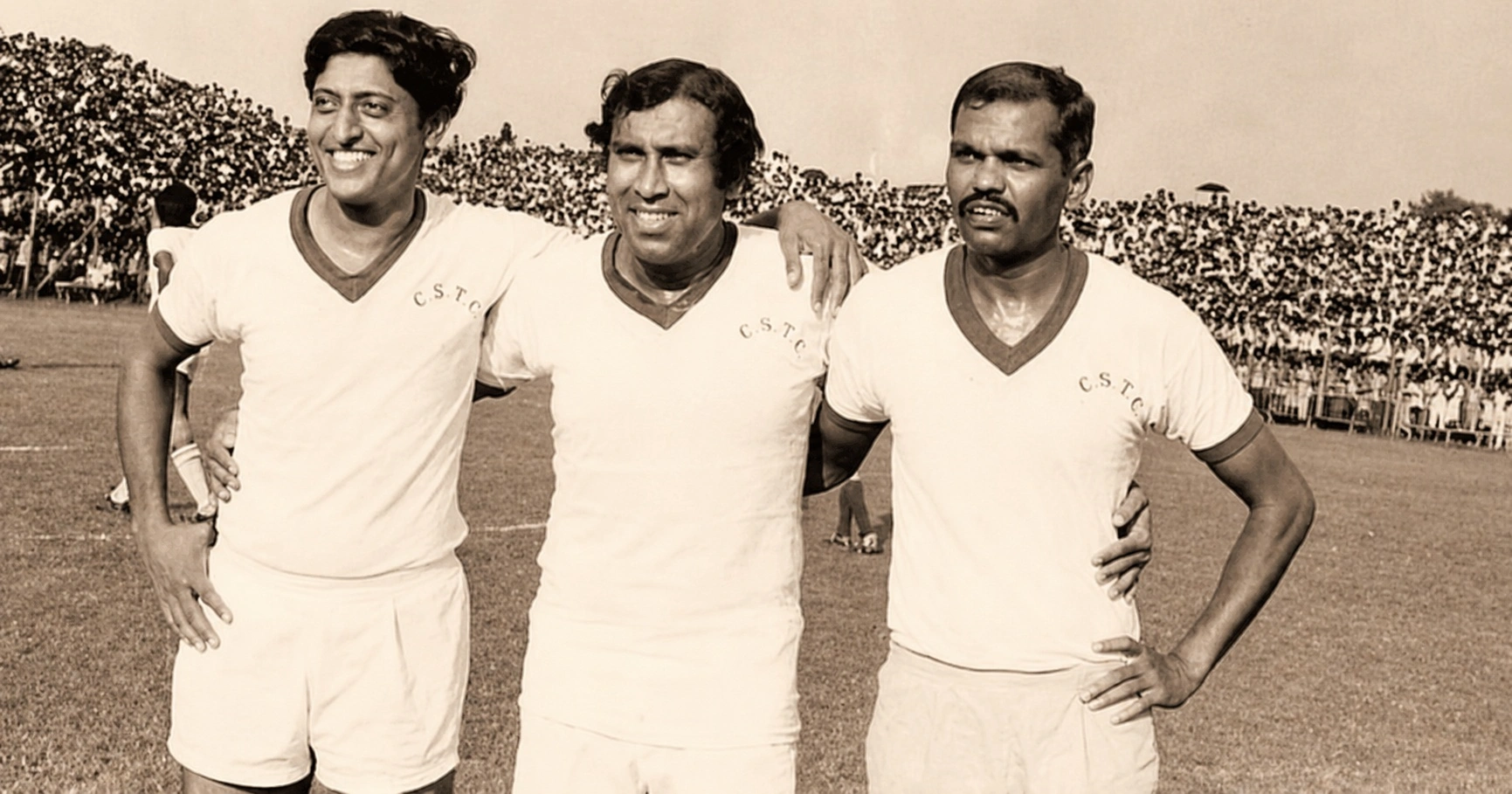
Together, Chuni Goswami, P.K. Banerjee and Tulsidas Balaram formed Indian football’s golden attacking triangle, combining imagination, pace and instinct in motion. Their partnership made the 1962 Asian Games, more than a result, became a memory of postcolonial confidence.
Samar ‘Badru’ Banerjee
1930–2022
‘Badru’ Banerjee captained India at the 1956 Melbourne Olympics, where the national side finished fourth – still one of the country’s finest international football achievements. His story links Bengal’s club culture with India’s brief but luminous Olympic age.
Sudhir Karmakar
1948–
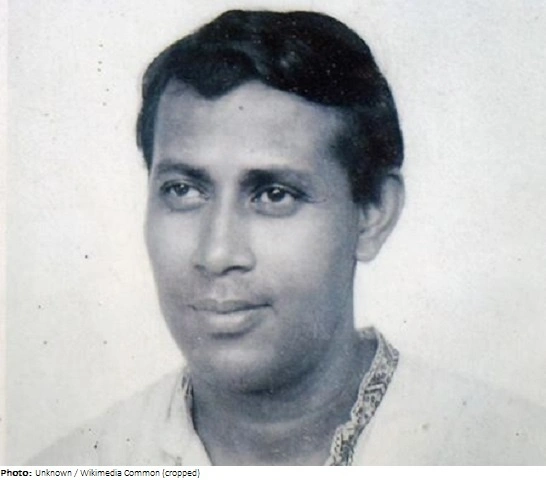
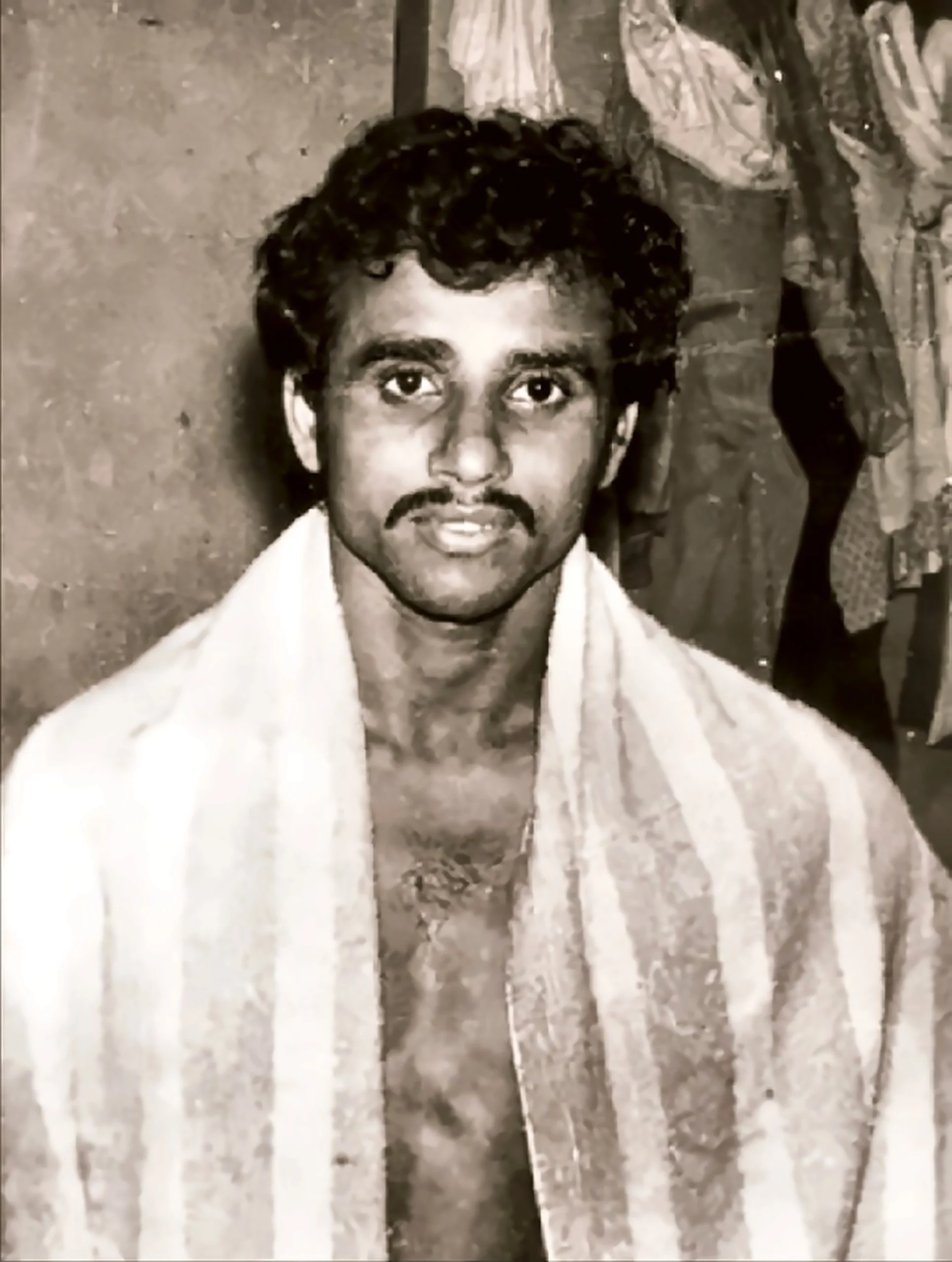
Sudhir Karmakar was a defender of nerve, timing and tactical intelligence, central to India’s 1970 Asian Games bronze and East Bengal’s celebrated 1970 IFA Shield victory over PAS Tehran. In his career, the he became not only a supporting figure, but the guardian of Bengal football’s biggest moments.
Subhas Bhowmick
1950–2022
Subhas Bhowmick combined power, bravado and charisma as a forward before becoming one of Bengal football’s most forceful coaches. A 1970 Asian Games bronze medallist, he later helped carry East Bengal into the professional era, including the club’s 2003 ASEAN Club Championship triumph.
Surajit Sengupta
1951–2022
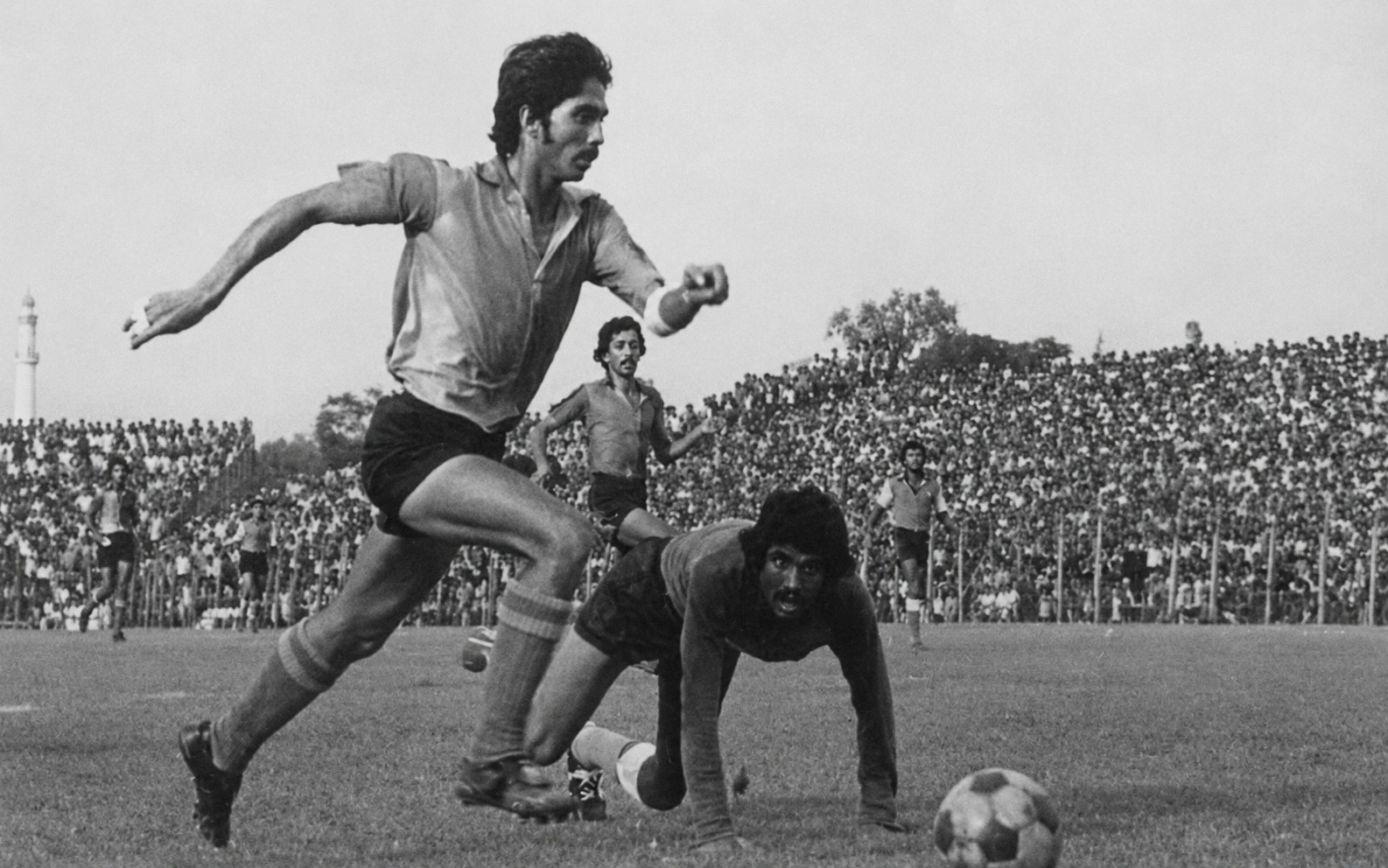
Surajit Sengupta was one of Bengal’s most graceful wingers, remembered for acceleration, sharp game-reading and artistry on the flank. His career across Kolkata’s great clubs shows how individual flair could feed rivalry, yet also rise above it.
Mohammed Habib
1949–2023
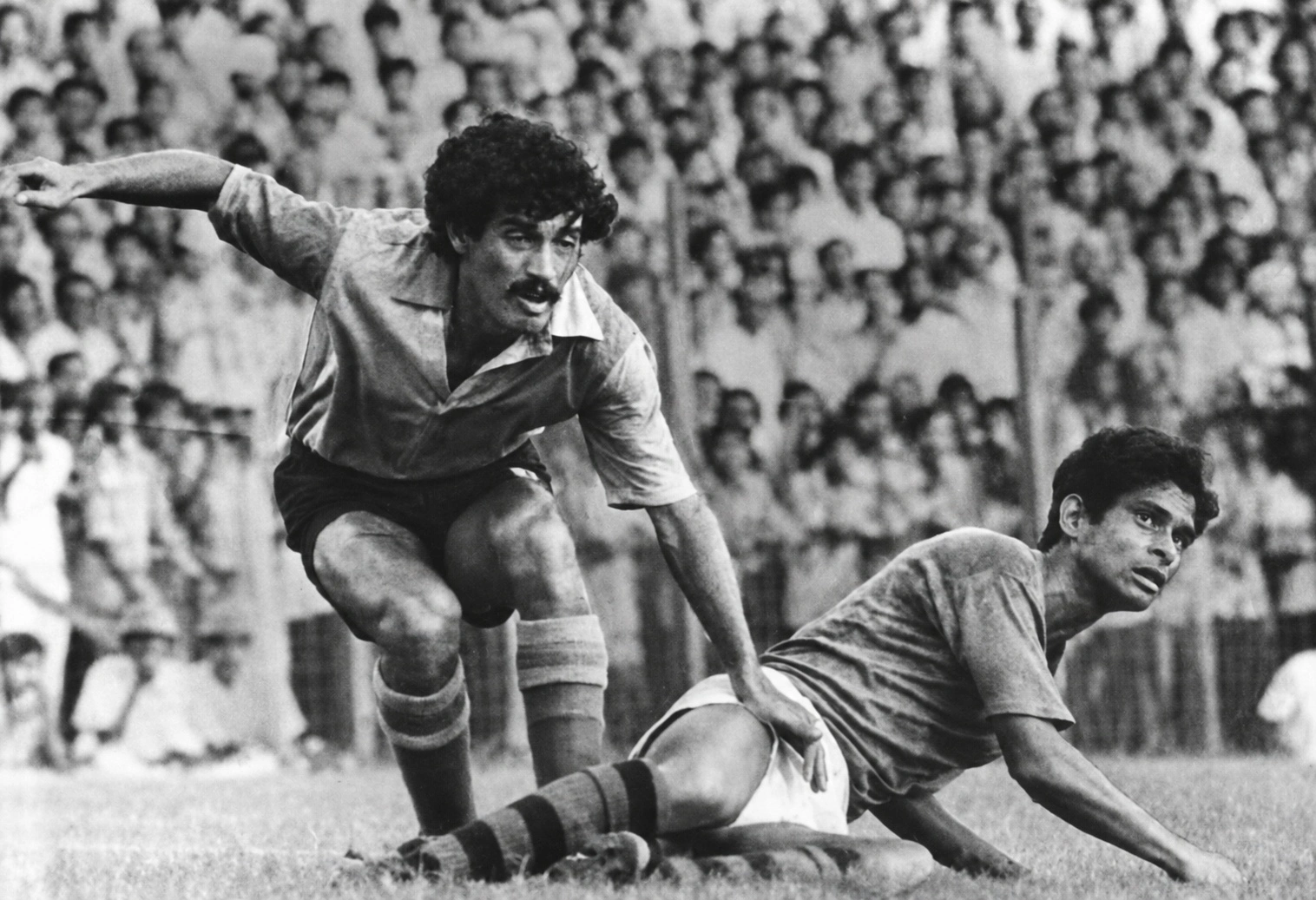
Mohammed Habib, the ‘Bade Miya’ of Kolkata football, brought Hyderabad’s grit and big-match temperament into Bengal’s fiercest club arenas. For East Bengal, Mohun Bagan, Mohammedan Sporting and India, he became the forward whose restless energy made crowds believe until the final whistle.
Shyam Thapa
1948–
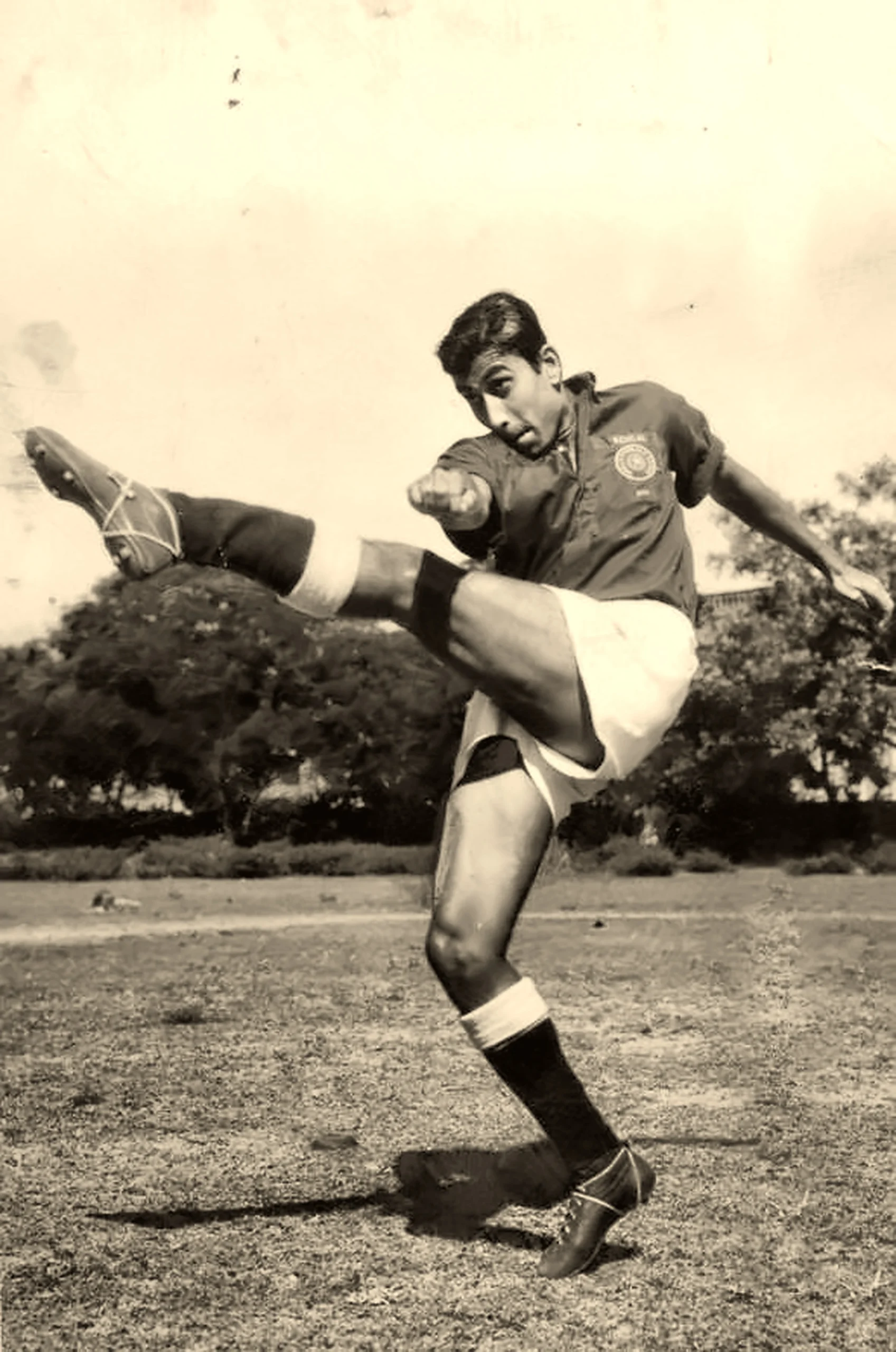
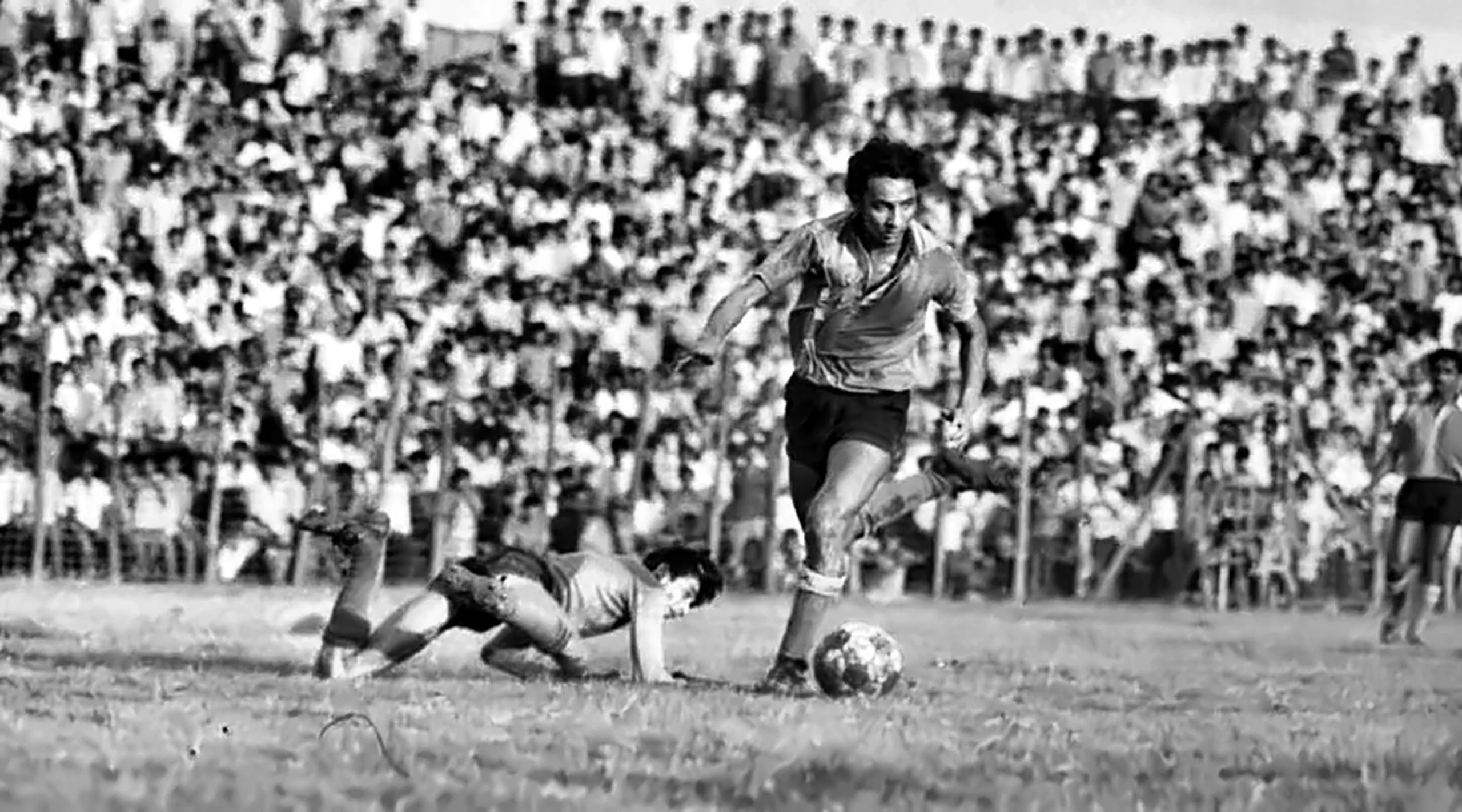
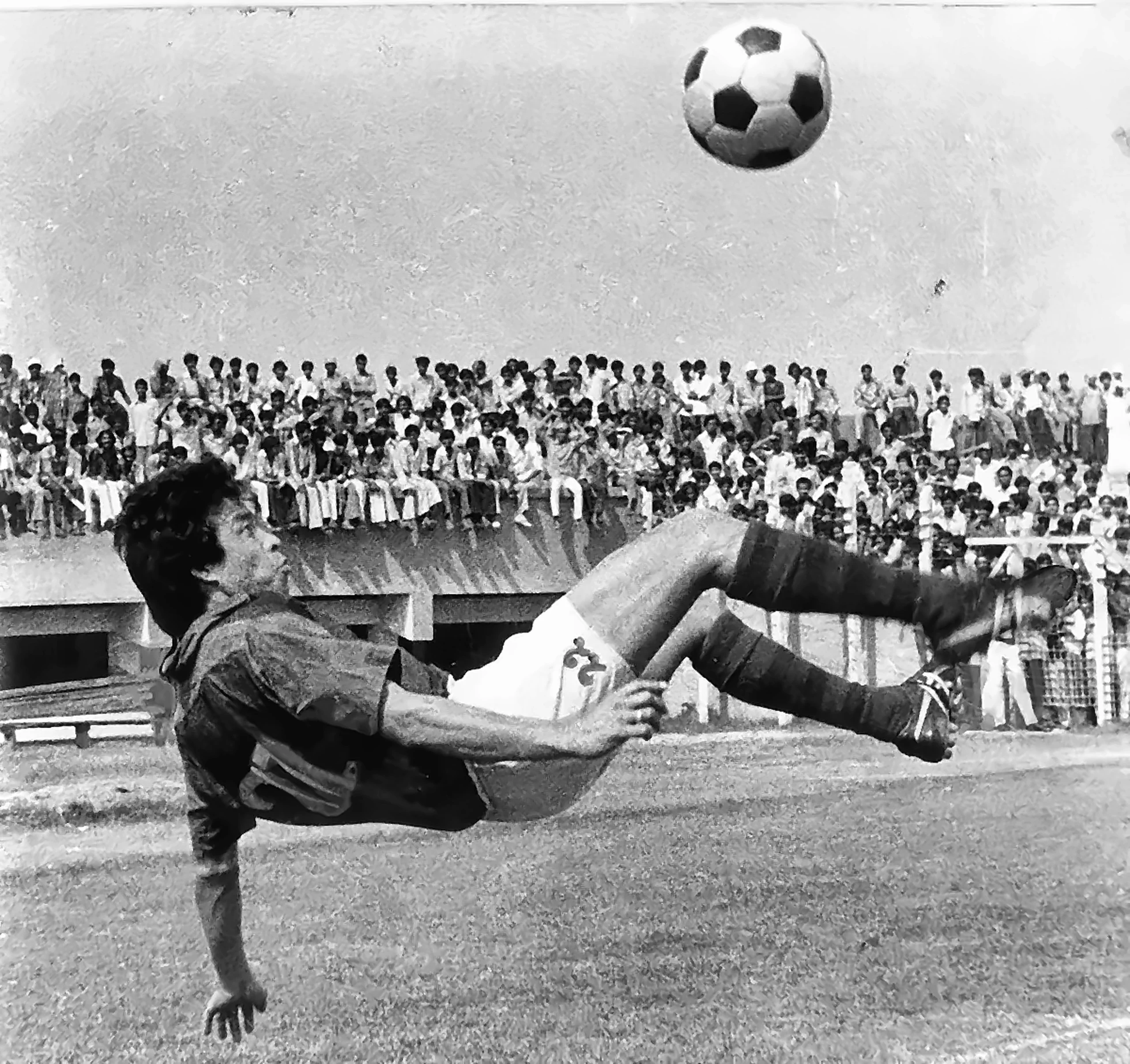
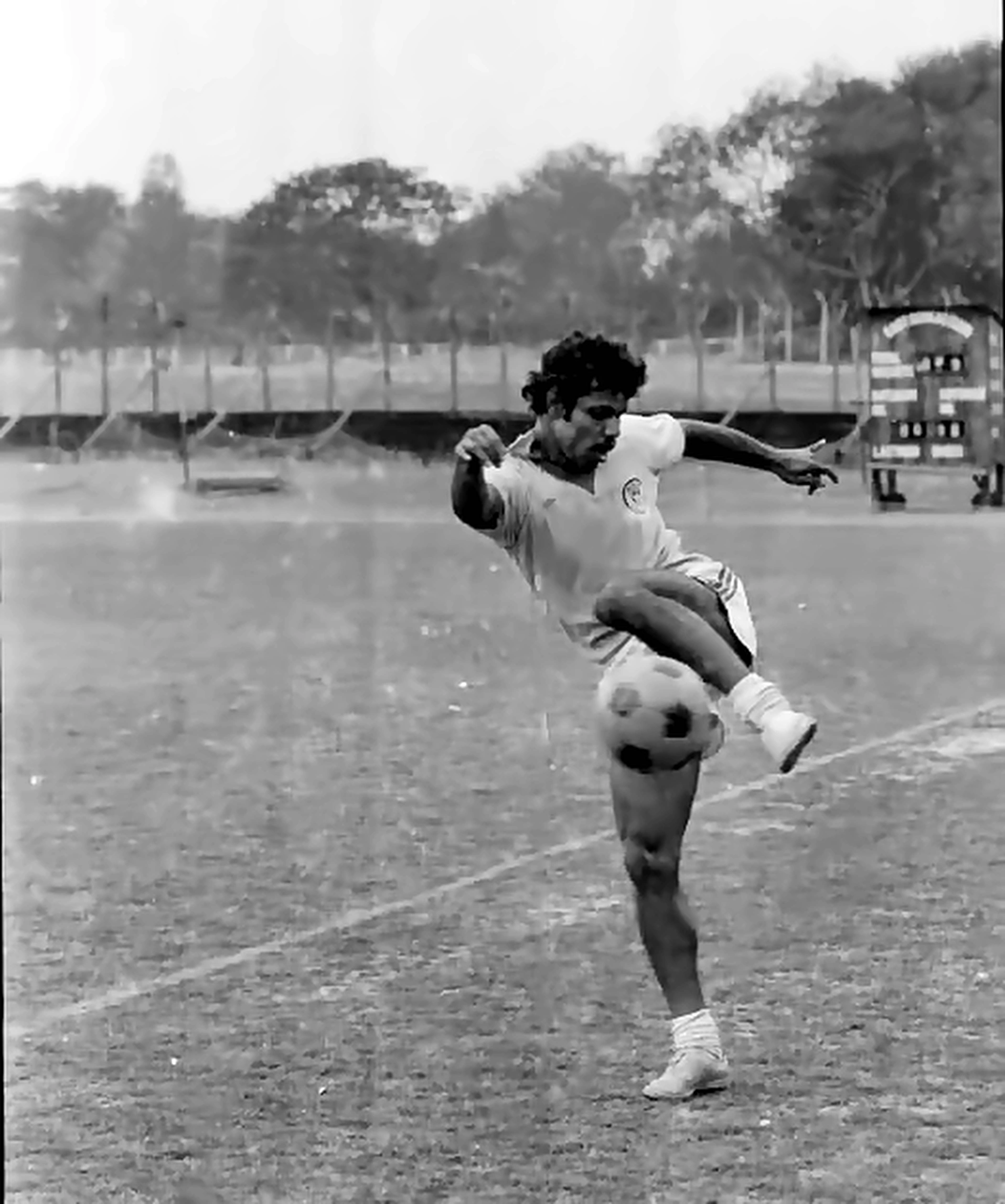
Shyam Thapa’s football was acrobatic, instinctive and crowd-facing, a style best captured in the memory of his spectacular bicycle kicks. His career across East Bengal, Mohun Bagan and India shows Bengal football’s love for improvisation – technique, risk and drama in a single package.
Krishanu Dey
1962–2003
Nicknamed the ‘Indian Maradona,’ Krishanu Dey gave late twentieth-century Bengal a footballer of touch, vision and romance. His imagination made the Maidan feel theatrical again at a time when Indian football was searching for a new hero.
Manoranjan Bhattacharya
1958–
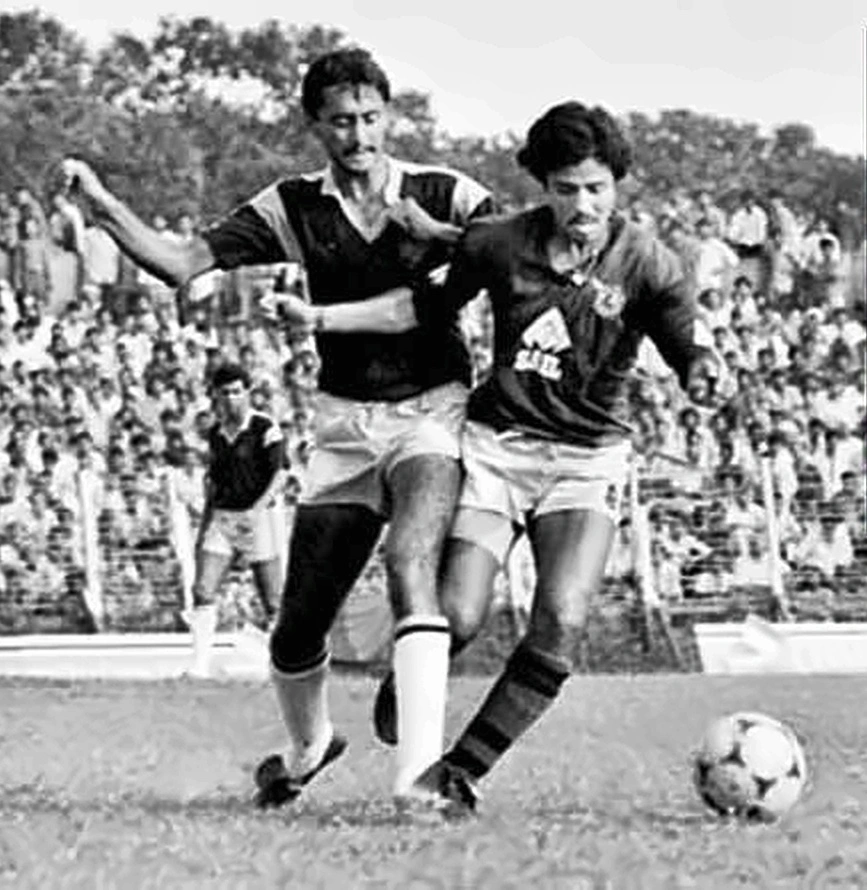
Manoranjan Bhattacharya was a tough, disciplined defender of the 1980s and early 1990s, a period when Indian football became more physical, tactical and professional. His image reminds us that behind every moment of attacking flair stood the unsentimental labour of marking, tackling and repetition.
Bhaichung Bhutia
1976–
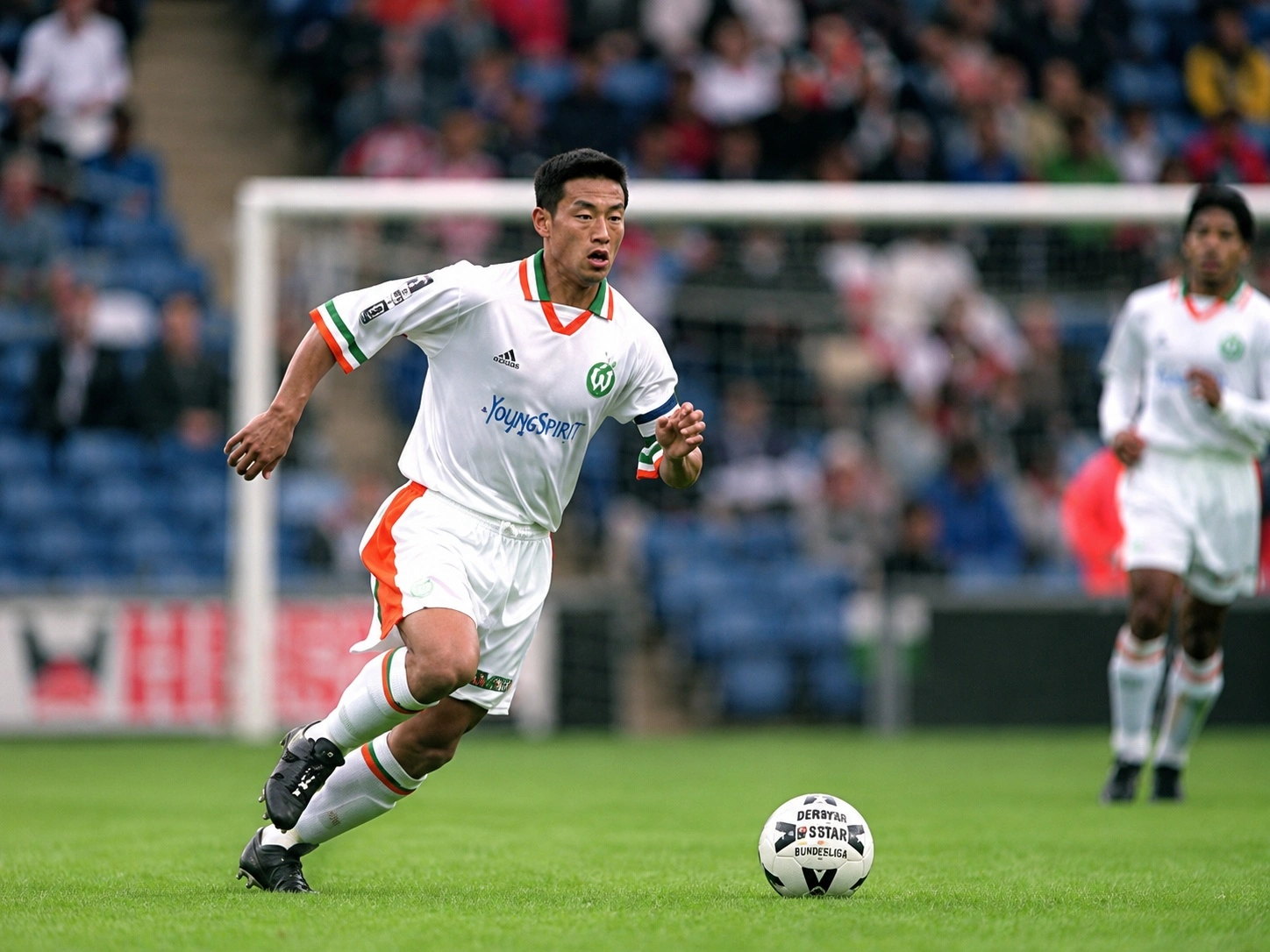
Bhaichung Bhutia carried Indian football into a new media and professional age, moving from Sikkim to Bengal’s club stage and then abroad to Bury FC in England. His career connected the emotional world of East Bengal and Mohun Bagan to a wider national and international horizon.