
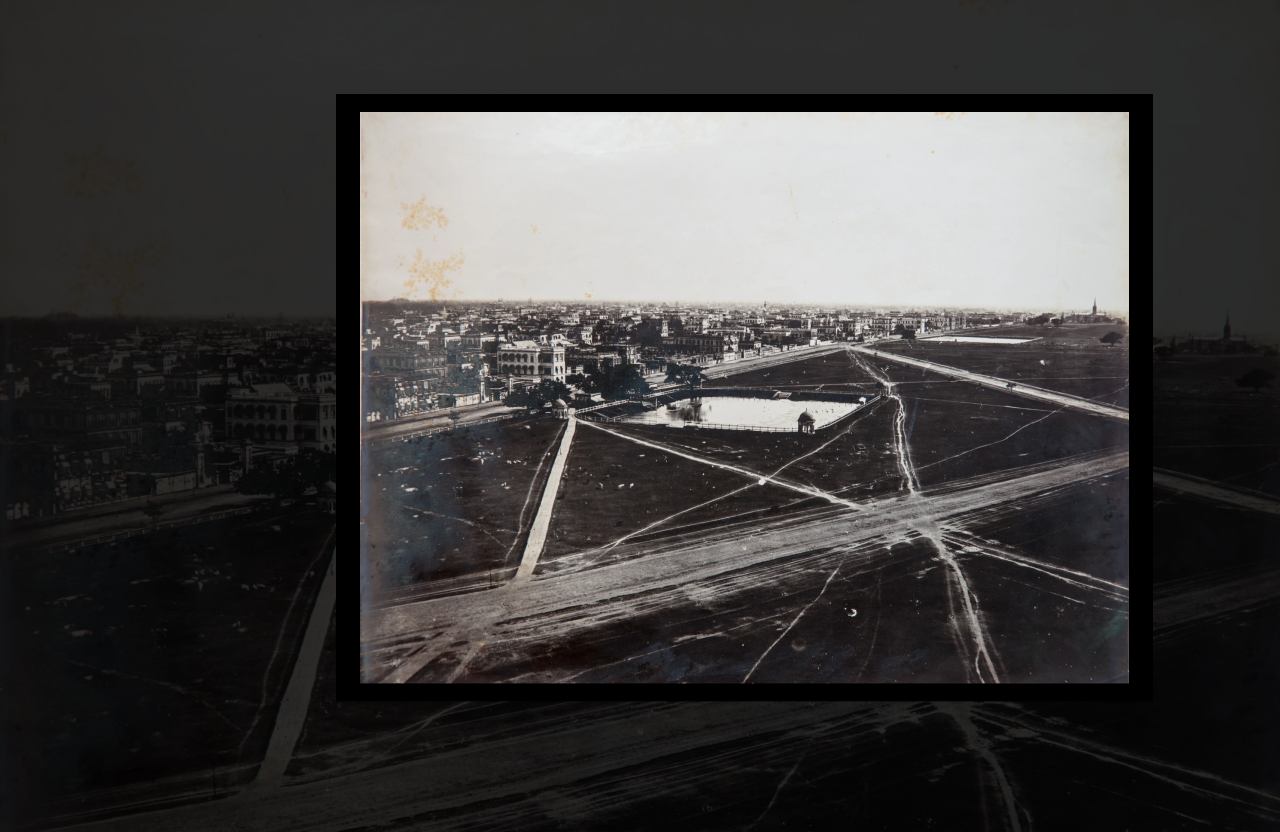
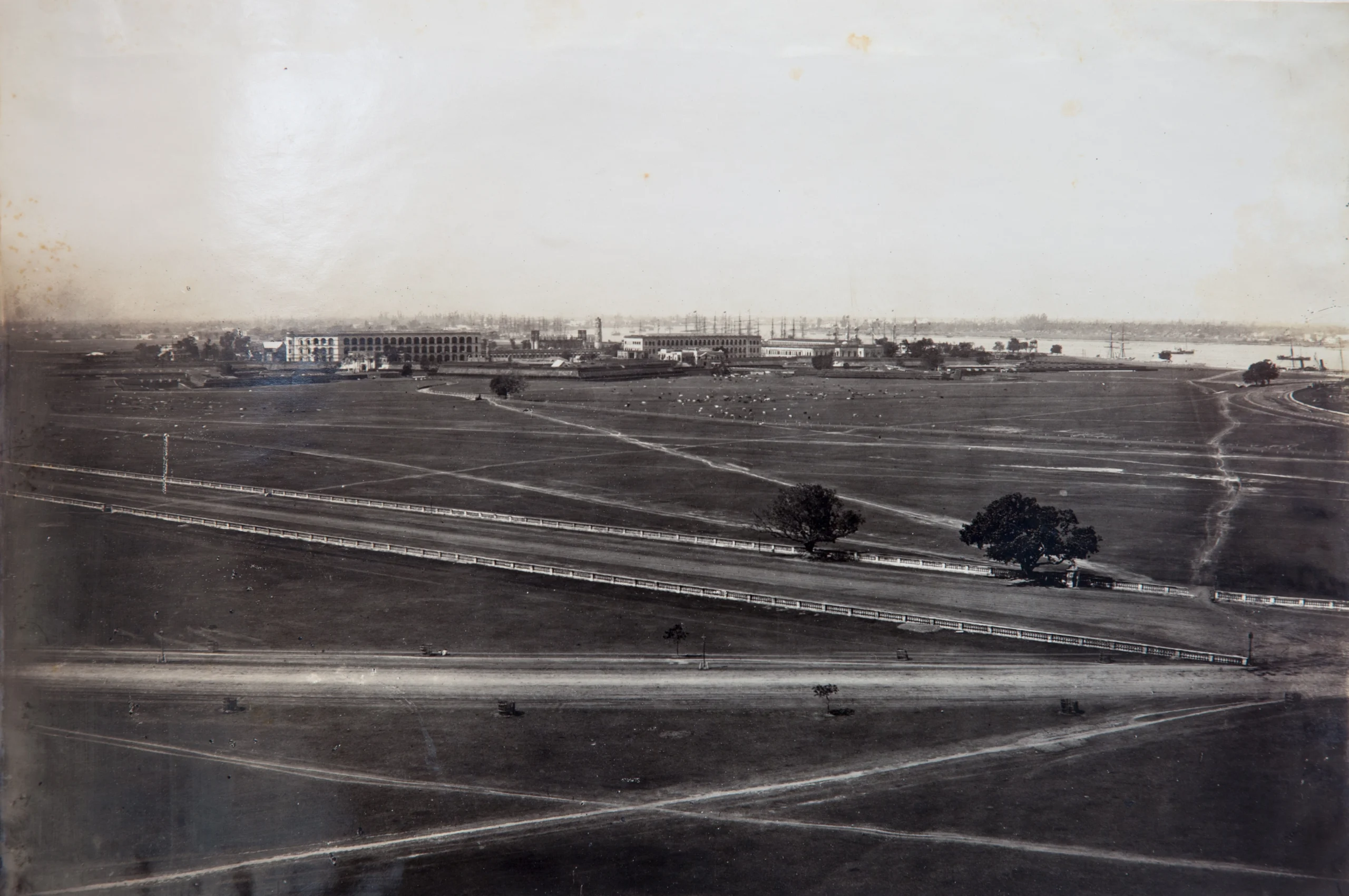
The Calcutta Maidan from atop the Ochterlony Monument (now called Shaheed Minar), with St. Paul's Cathedral at the far end of the ground. Silver gelatine print from the Johnston and Hoffmann Studio, Kolkata, c. 1889, the year the Mohun Bagan Club was founded.
Skip to content
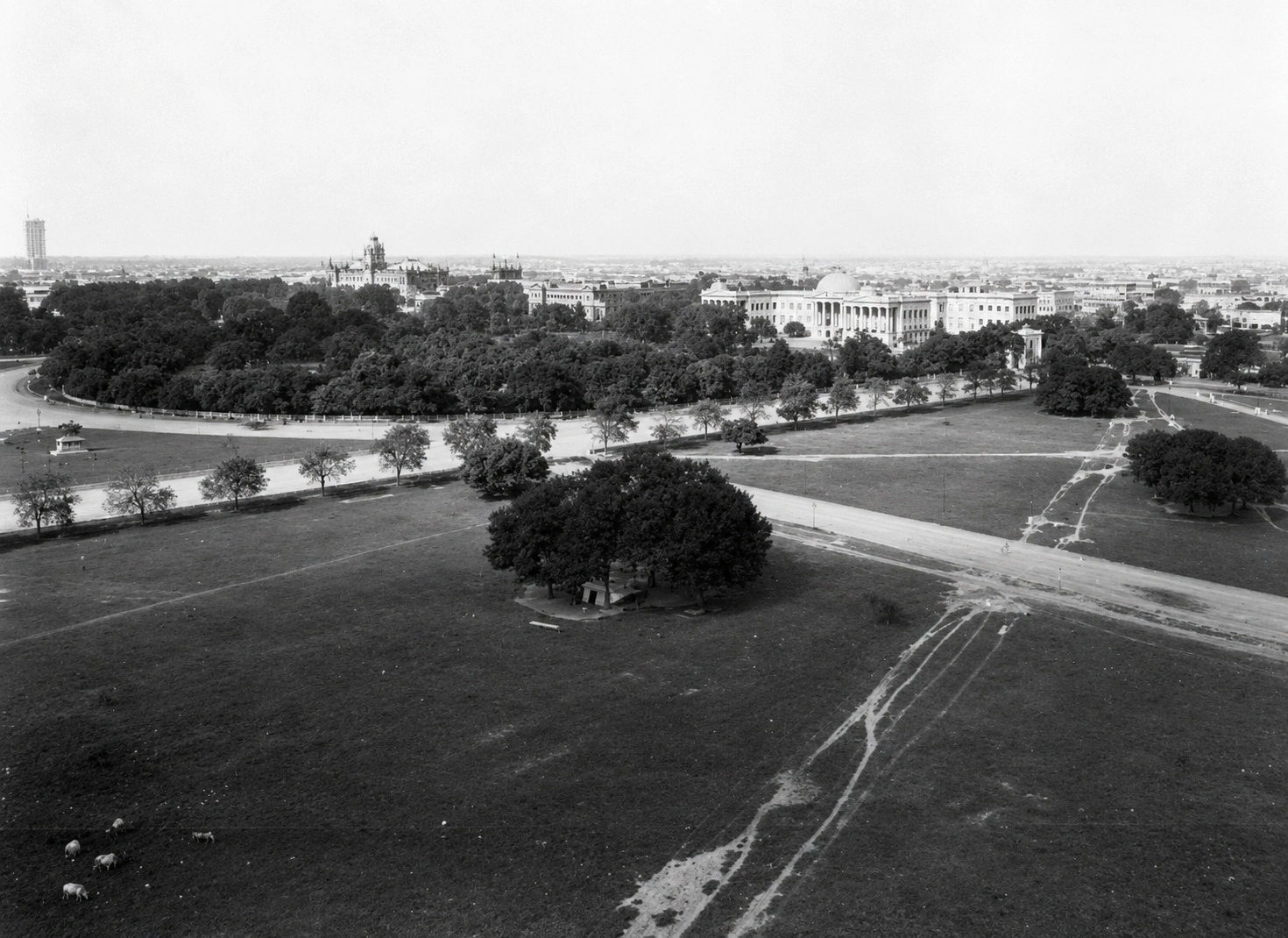
Another vintage photo of the Maidan in the 1880s, with the Government House (later Raj Bhavan), the Calcutta Town Hall, and the High Court in the background. These open grounds would eventually become the heart of Bengal's football culture.
Source: Ebay
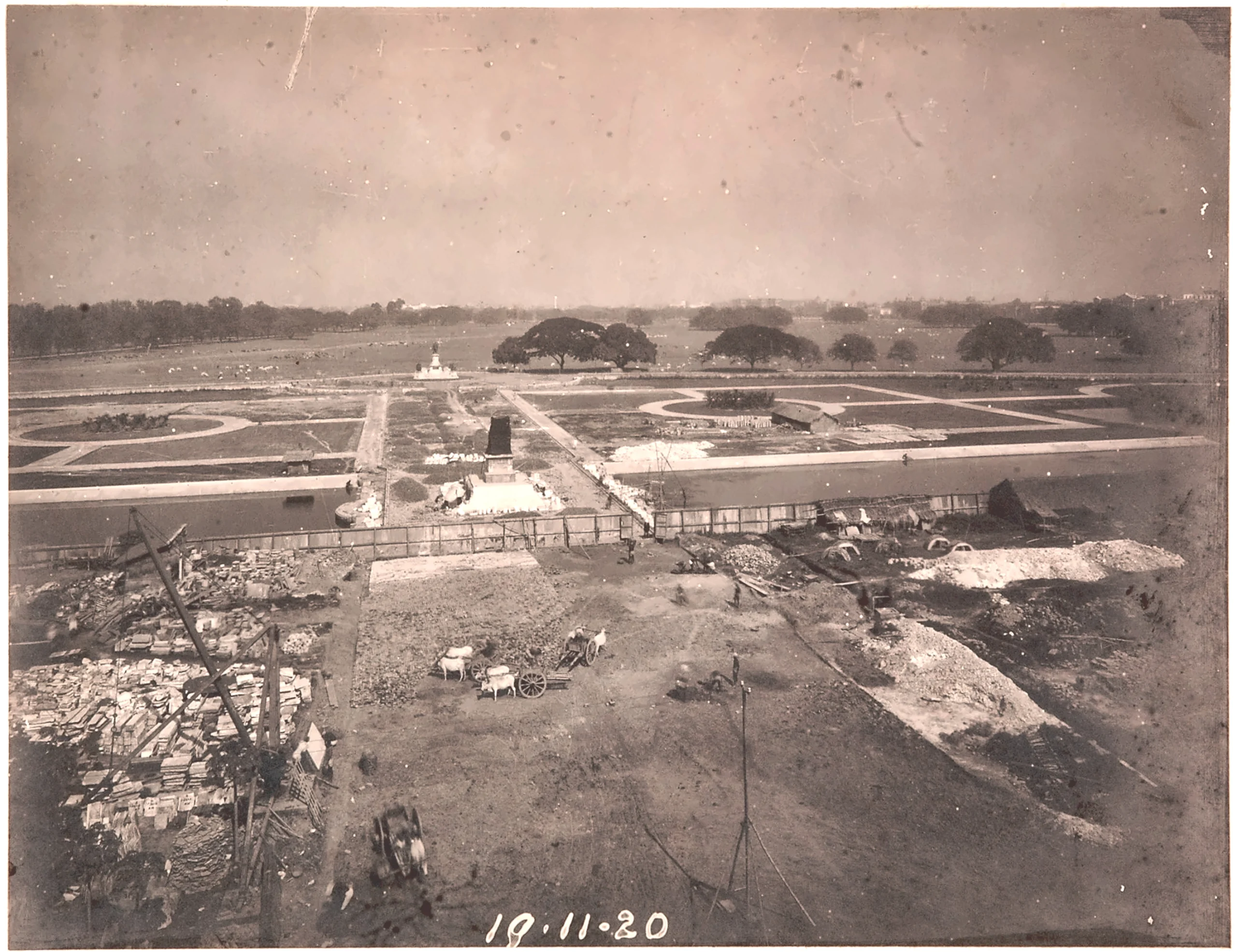
A view from the other side—the Maidan from the top of the Victoria Memorial Hall dome in November 1920, just weeks before the Memorial opened to the public. The East Bengal Club was founded in the same year.
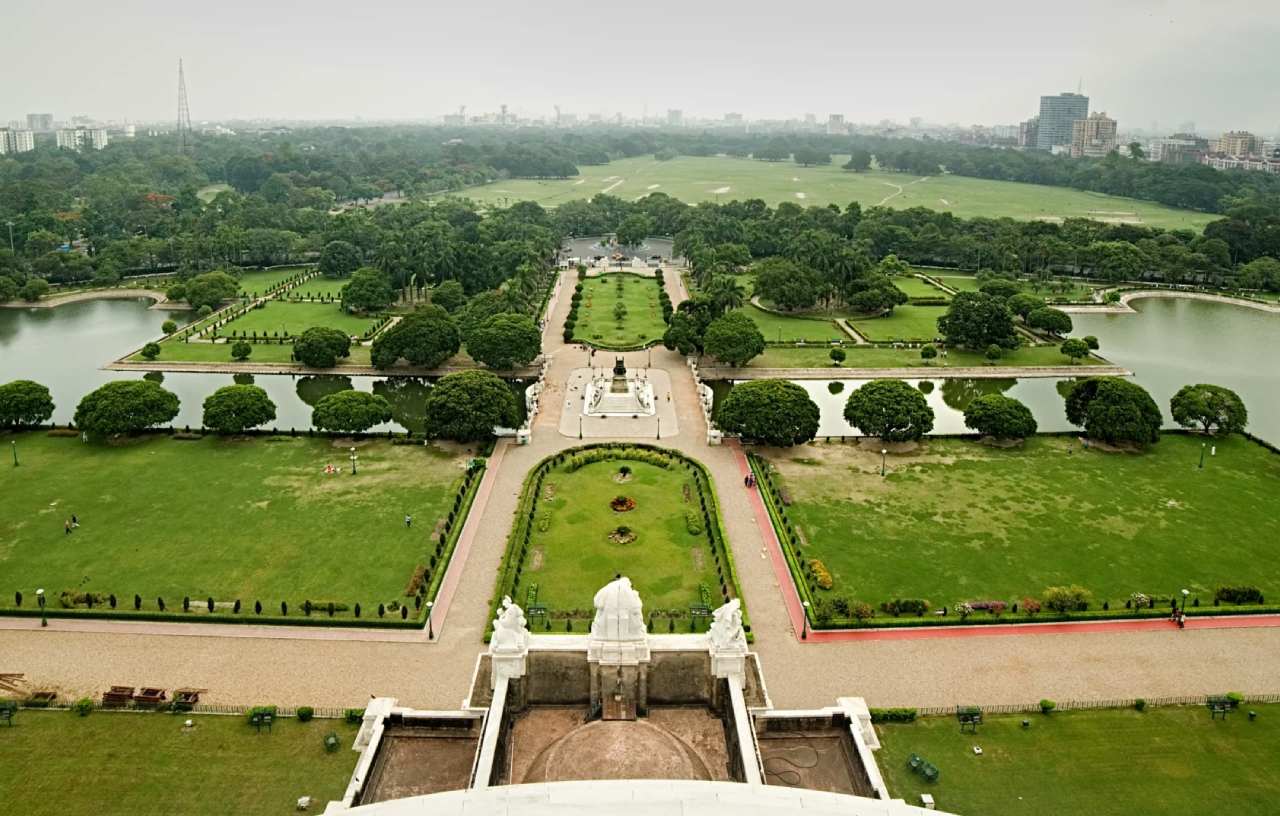
Same view of the Maidan a century later, from the Victoria Memorial Hall in 2020.
Looking West across the Maidan, with the Fort William and the River Hooghly in the background. In 1877 it was somewhere around here, on the Calcutta Football Club ground, that a 10-year-old Nagendra Prasad Sarbadhikari – on his way to the river – is said to have spotted British soldiers playing football. When a stray ball rolled toward him, one of the players yelled, “Kick it to me, boy”, marking the first documented instance of an Indian kicking a football. Silver gelatine print from the Johnston and Hoffmann Studio, Kolkata, c. 1889. The Victoria Memorial Hall Collection.
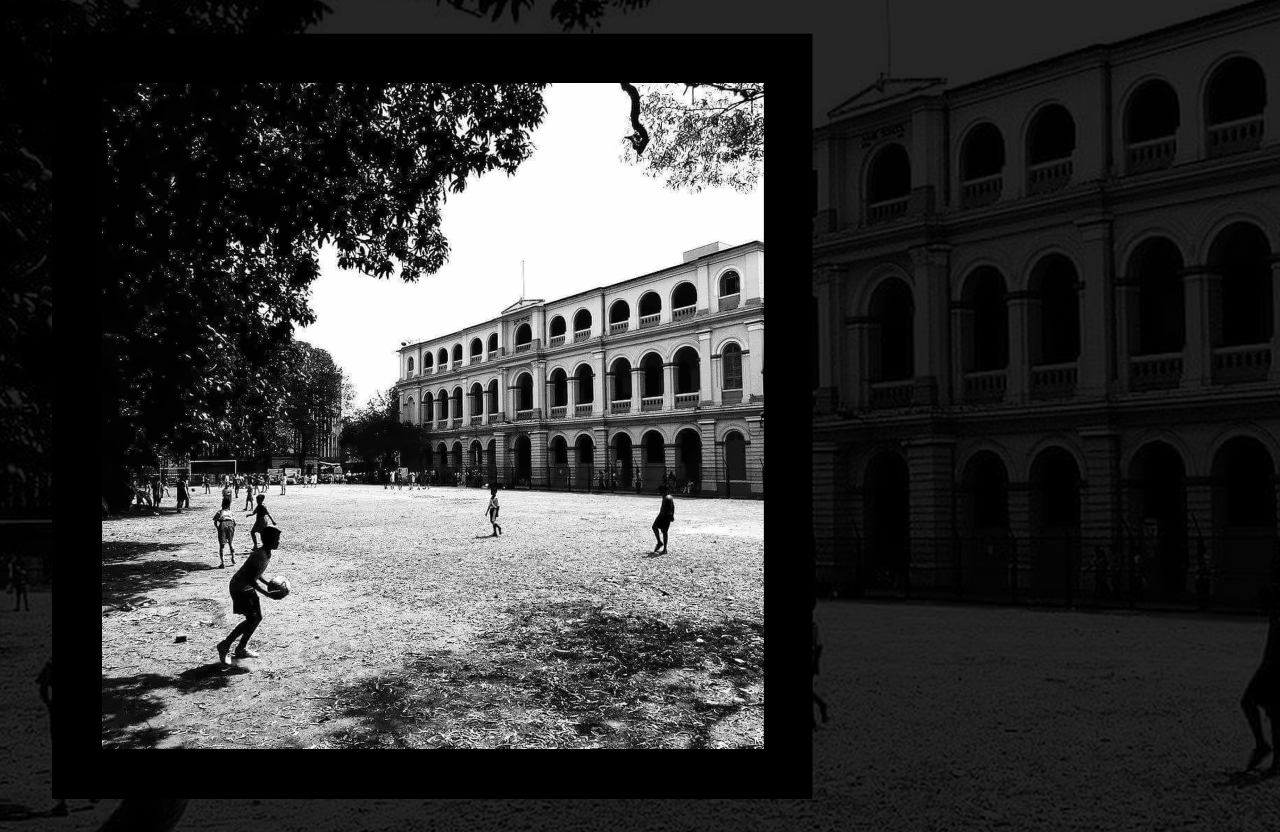
The Hare School ground at present. Following the 1877 encounter, Nagendra Prasad and his classmates began playing at the Hare School compound, going on to purchase their first ball from Manton & Co. in Bowbazar. Because of their inexperience or tender age, they purchased a rugby ball instead of a football. However, rugby and football were almost synonymous in Britain at that time.
Photo source: Hare School Facebook page
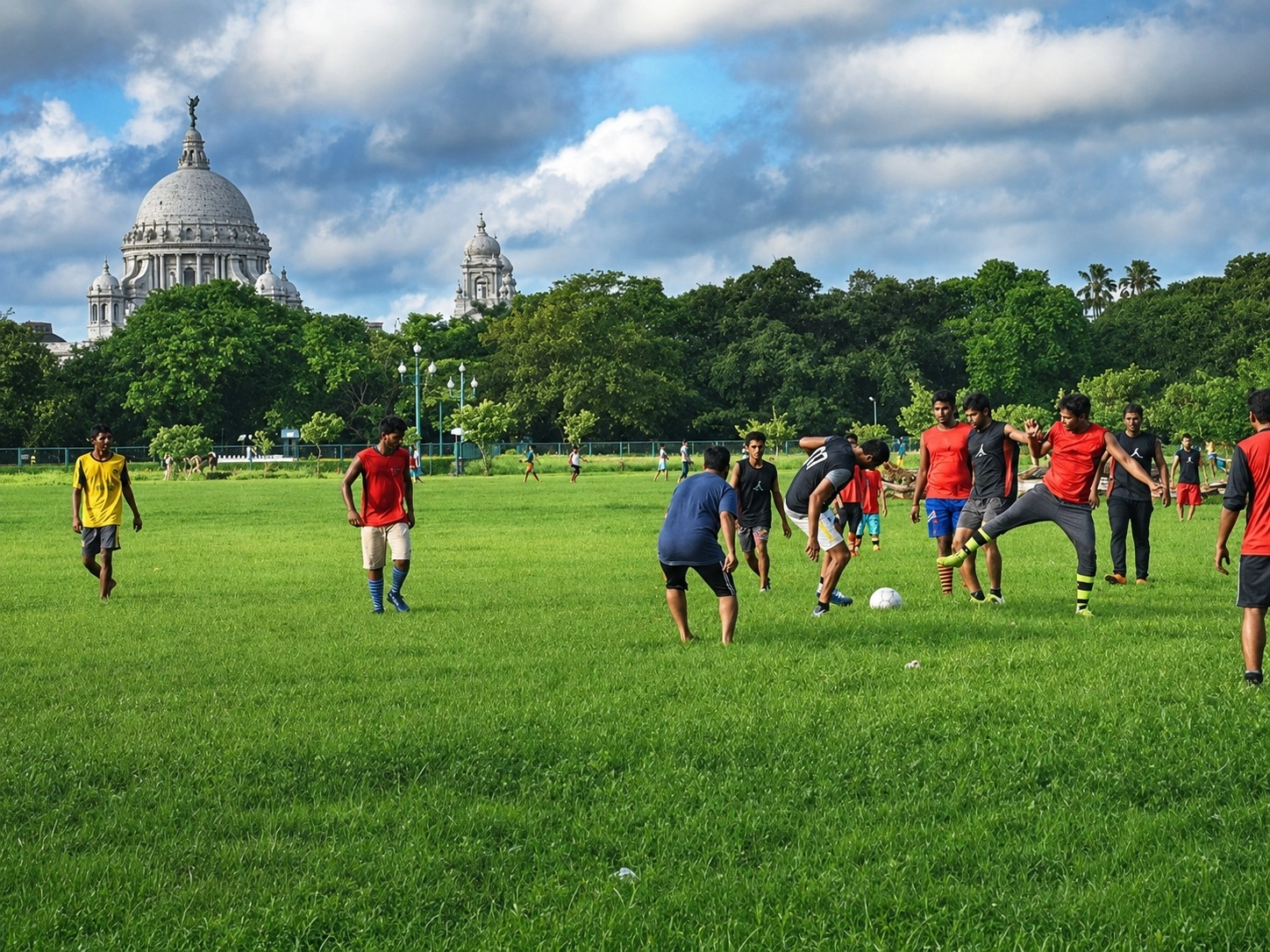
The Maidan bustles today with scores of patches like this where locals play every day.